How to change PhD labs without burning bridges

Source: https://www.nature.com/articles/d41586-026-02441-4
A biochemistry graduate student in the United States wrote to Nature with a difficult question. They felt exhausted, disconnected from their project and insufficiently supported by a prominent principal investigator who was rarely available for in-depth mentoring. Moving to another laboratory seemed increasingly necessary, but it also raised concerns about retaliation, funding and a delayed graduation.
Leaving a PhD laboratory is not simply a change of workplace. A principal investigator may control funding, access to research materials, authorship decisions and professional recommendations. The student's project, dissertation committee and expected graduation timeline may also be tied to the current group. A move can improve a difficult situation, but it needs to be approached with a clear understanding of both the academic and practical consequences.
For this Career Feature, Nature asked current and former graduate students, university ombudspersons, academic leaders and a PhD career counsellor how a student might navigate the decision.
Their first suggestion is to identify what needs to change. Research interests often evolve during a PhD, but dissatisfaction can also come from a mismatch in mentoring style, laboratory culture, workload or working conditions. Distinguishing among these problems helps determine whether moving laboratories is necessary and what a more suitable environment would need to provide.
A confidential conversation can help before any formal step is taken. An institutional ombudsperson, a trusted dissertation-committee member, a graduate-programme leader or another faculty member may be able to explain local procedures and help the student assess the risks. These conversations can also reveal options that are difficult to see while working within one laboratory.
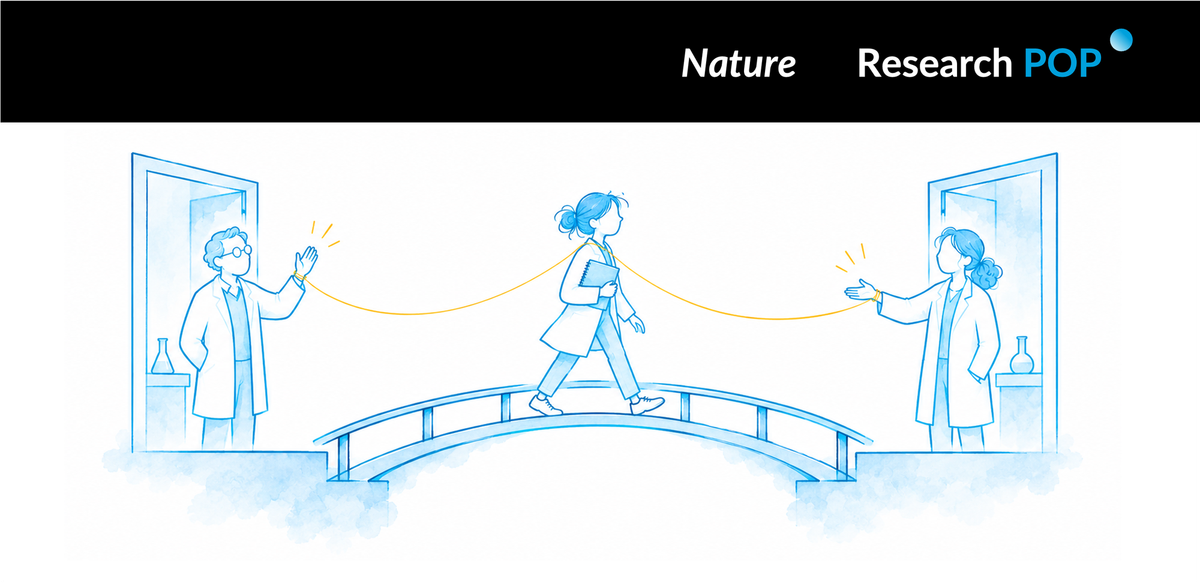
Changing laboratories is not the only possible route. If the main issue is scientific direction, a student might move to a new group while keeping the original supervisor on the dissertation committee. Adding a co-supervisor could provide more regular scientific guidance or a different mentoring style without requiring a complete break. For someone already far into the degree, agreeing on a smaller, clearly defined body of work needed for graduation might be more practical than beginning a new project elsewhere.
If a move remains the best option, the article recommends exploring potential advisers discreetly. Scientific fit matters, but so do mentoring availability, group culture and expectations. A student trying to leave one unsuitable environment needs enough information to avoid recreating the same problem in another laboratory.
The financial details also need to be checked early. A new group must have sufficient funding if the student's existing support cannot be transferred. Fellowships, departmental funding and grants may follow different institutional rules. The student should also establish which data, samples or project components can move with them and who will retain responsibility for unfinished work.
The effect on graduation depends partly on how much of the current research can still contribute to the dissertation. A programme leader or committee member may be able to clarify whether completed work remains usable, whether new milestones will be required and how much additional time a change is likely to add. Obtaining this information before announcing a move can make the decision more concrete.
The conversation with the current adviser should be thoughtful, honest and centred on finding a workable solution. Presenting the situation as a mismatch that is not serving either side can leave room for a constructive response. The student can explain what is missing from the current arrangement and why another environment may be a better fit without turning the discussion into a list of personal accusations.
In some cases, the adviser may agree that a transfer is appropriate and help with the transition. The article does not assume that every conversation will unfold this way. The power imbalance between a graduate student and a principal investigator is real, and fears about damaged recommendations, withdrawn support or other forms of retaliation cannot always be resolved through careful wording alone.
If retaliation is a concern, students may seek support from a graduate-student union, ombudsperson, programme director or university mediation service. It can be useful to understand institutional policies, keep records of important communications and avoid entering a high-stakes meeting without knowing where further support is available.
The feature does not offer a risk-free script or suggest that preserving a relationship should take priority over a student's health. Its advice is to gather information before acting, define the desired outcome and approach the transition calmly where possible. The aim is not merely to leave one laboratory, but to find a research environment in which the student can receive appropriate guidance and complete the PhD on workable terms.
Author: N. G. Boeck
Source: Nature · Career Feature
Published: 21 September 2026
Original article: https://www.nature.com/articles/d41586-026-02441-4
Research POP Notes
This article reflects the independent interpretation of the Research POP team and does not represent the views of the authors, their institutions or the journal. If you identify any inaccuracies or have concerns regarding the content, figures or attribution, please contact us at team.researchpop@gmail.com. We will review the matter promptly and make corrections or remove the relevant material where appropriate.