Learning to mentor before you feel ready


Source: https://www.science.org/content/article/how-supervise-junior-peers-and-become-mentor
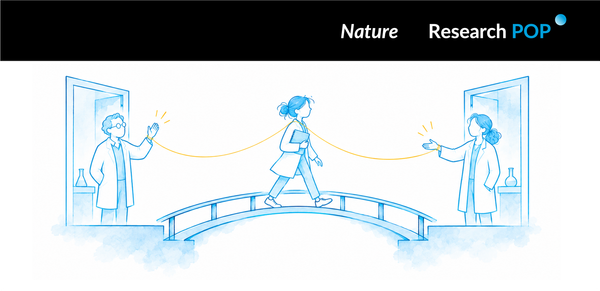
Many researchers begin supervising students or junior colleagues before anyone has taught them how to do it. A Science Careers article by Elisabeth Pain brings together researchers at different career stages to discuss how they learned to guide projects, support people and set healthy boundaries. Their experiences show that mentoring is not a skill people suddenly acquire with a new title. It develops through attention, practice and honest reflection.
The article draws a useful distinction between supervision and mentoring. A supervisor is primarily responsible for helping someone complete a project: planning the work, discussing results and keeping progress on track. A mentor takes a broader interest in the person's development, including career choices, confidence and challenges beyond the immediate experiment. The roles often overlap, especially in research groups, but they are not identical.
Across the contributors' experiences, several practical ideas recur. Good mentoring begins with understanding the individual rather than assuming that the same approach works for everyone. Early conversations can establish expectations, preferred ways of communicating and the kind of support a mentee is seeking. Regular office hours, onboarding plans or mentoring agreements can add structure. Listening carefully and asking questions may be more helpful than immediately supplying an answer.
That structure can also make the relationship easier to navigate for both people. A junior researcher should know when and how they can ask for help, while a mentor should be clear about what support they can realistically provide. Needs can change as a project develops, so expectations are worth revisiting rather than treating the first conversation as a permanent agreement.
The contributors also stress limits. A mentor does not need to know everything or solve every problem. When an issue falls outside their expertise, referring the mentee to another colleague or professional resource can be the responsible choice. Warmth and openness matter, but so do professional boundaries and realistic commitments of time and energy. Saying that another person is better equipped to help is not a failure of mentoring.
Mentoring is not presented as a one-way service. Explaining complex ideas to someone less experienced can sharpen a researcher's own thinking. Supporting another person's decisions can improve communication, patience and leadership. It can also reveal how differently people approach uncertainty, feedback and career planning.
The article's central message is modest but valuable: people do not have to feel completely prepared before they begin mentoring. They do, however, need to approach the role with care, honesty and a willingness to keep learning. Thoughtful mentoring is less about always having the right answer than about helping another person find a constructive way forward.
Author: Elisabeth Pain
Source: Science Careers
Published: Sep 11, 2026
Original article: How to supervise junior peers and become a mentor
doi: 10.1126/science.zn9flna
Research POP Notes
This article reflects the independent interpretation of the Research POP team and does not represent the views of the authors, their institutions or the journal. If you identify any inaccuracies or have concerns regarding the content, figures or attribution, please contact us at team.researchpop@gmail.com. We will review the matter promptly and make corrections or remove the relevant material where appropriate.