Moving forward without certainty: one scientist's early tenure decision
Source: https://www.science.org/content/article/academic-scientist-u-s-i-m-learning-live-uncertainty
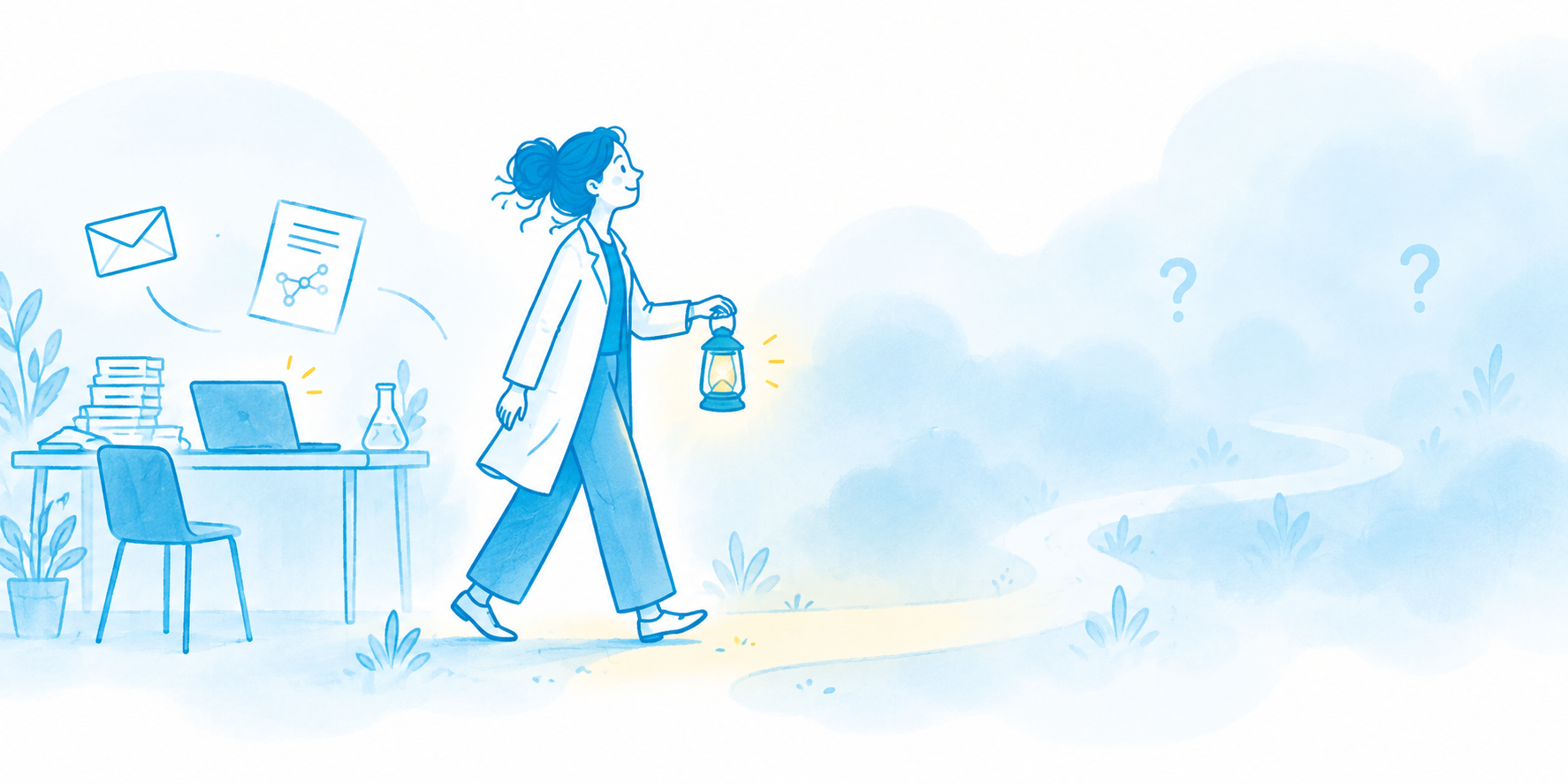
In a first-person Working Life essay for Science, Violeta J. Rodriguez describes a decision that felt both urgent and impossible to predict: applying for tenure three years earlier than usual. Her account is not a formula for promotion. It is a reflection on how a scientist tried to act responsibly when the surrounding conditions offered no clear guarantee.
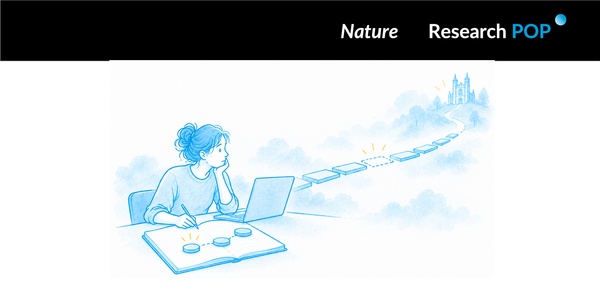
Changes in the US political and research-funding landscape had made the future of her health-equity research feel increasingly vulnerable. Tenure might offer greater protection for the programme she had spent years building, but applying early also carried a risk. Rodriguez worried that her record might not yet be strong enough and that an unsuccessful attempt could damage her prospects.
The decision involved more than her own position. Rodriguez describes a research programme connected to students, collaborators and communities. That made waiting feel consequential too. Applying early could be seen as taking a risk, but postponing the decision would not freeze the world in place or make the wider uncertainties disappear.
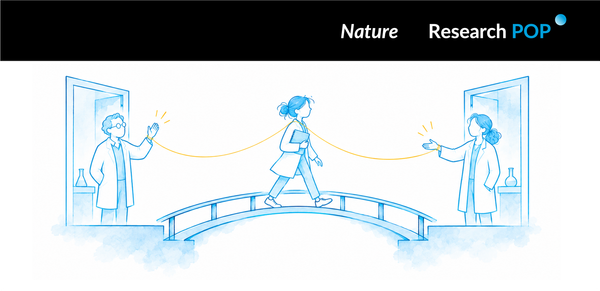
She sought advice from mentors and colleagues and received plenty of encouragement. Yet no two conversations produced exactly the same answer. As her dossier moved through successive stages of review, she kept looking for reassurance that she had made the correct decision. Eventually, she recognized that she was no longer searching for more information. She was searching for certainty.
That distinction sits at the centre of the essay. Advice can clarify options, reveal risks and help someone prepare, but it cannot always guarantee an outcome. At some point, a decision may still have to be made with incomplete knowledge. Rodriguez describes learning to separate careful preparation from the hope that enough preparation will remove every unknown.
Rodriguez was awarded tenure, but the result did not make uncertainty disappear. New questions quickly followed: how to sustain a research programme over decades, how best to support students and what the future of science would look like. The experience changed her understanding of readiness. Rather than arriving before a difficult step, readiness can sometimes become visible only after the step has been taken.
The essay does not romanticize risk. Rodriguez notes that early-career scientists often carry a disproportionate share of instability and that many reasonably question whether an academic future is sustainable. Her reflection is personal, not a rule that others should apply for promotion early. Its message is that waiting cannot always produce guarantees. In uncertain conditions, researchers may still choose to keep building, mentoring, serving communities and pursuing ambitious ideas.
Author: Violeta J. Rodriguez
Source: Science Working Life
Published: Sep 10, 2026
Original article: As an academic scientist in the U.S., I’m learning to live with uncertainty
doi: 10.1126/science.zqzeqaj
Research POP Notes
This article reflects the independent interpretation of the Research POP team and does not represent the views of the authors, their institutions or the journal. If you identify any inaccuracies or have concerns regarding the content, figures or attribution, please contact us at team.researchpop@gmail.com. We will review the matter promptly and make corrections or remove the relevant material where appropriate.