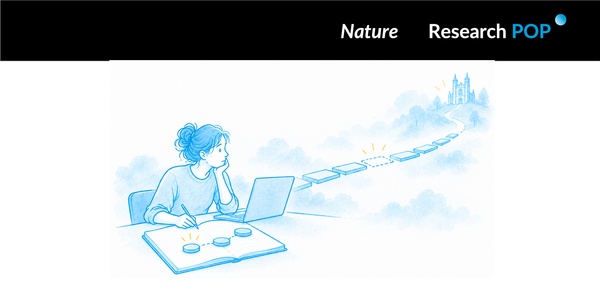
What keeps AI researchers in academia when industry pays far more?



Source: https://www.nature.com/articles/d41586-026-02026-1
Why would a leading artificial-intelligence researcher stay at a university when technology companies can offer dramatically higher salaries? A Nature Career Feature by Ben Deighton explores that question through an economic analysis and conversations with 14 academics, mainly in the United States and Europe. The article is less a verdict on the best workplace than a look at the different values researchers weigh when choosing where to build a career.
The headline figure is striking. An analysis from the US National Bureau of Economic Research compared AI researchers with similar specialisms across academia and the private sector. Among the top 1% of industry authors in the population studied, annual earnings were estimated to be about US$1.5 million higher per person than those of comparable academic researchers.
The academics interviewed by Nature did not deny the financial gap. Instead, they described what they value in university research. Several emphasized the freedom to choose questions and pursue them over many years. Others valued the ability to publish openly, collaborate widely and produce work whose purpose is not limited to commercial return. These features can shape both the subjects researchers study and the people who are able to learn from the results.
Teaching and mentoring also featured prominently. Some researchers regarded the progress of former students as a more durable legacy than any single technical result. Universities can offer a setting in which developing people is part of the job, not simply an activity added around research. For those scientists, the opportunity to train others helps explain why academic work remains meaningful even when the financial difference is large.
Their reasons for staying do not remove the pressures of academic life. Unstable funding, competition for grants and uncertainty about long-term research support can make industry increasingly attractive. The feature describes a landscape in which career decisions are shaped by access to computing, institutional resources and the ability to keep a research programme running, as well as by salary.
The article also points to hybrid arrangements in which researchers divide their time between universities and companies. Such roles may offer access to industrial resources while allowing some continued involvement in teaching, open research or academic collaboration. They do not erase the differences between the two environments, but they show that the choice is not always completely binary.
The US$1.5-million figure should not be read as a general salary difference for all AI researchers, and it says nothing directly about average pay in chemistry, materials science or other fields. It refers to the highest-earning segment of the industry authors examined in the analysis. The broader question nevertheless travels well across disciplines: career choices reflect how researchers weigh freedom, resources, stability, openness, teaching and the kind of impact they want their work to have.
Author: Ben Deighton
Source: Nature
Published: Sep 10, 2026
Original article: AI researchers reckon with the $1.5 million ‘academia tax’
doi: https://doi.org/10.1038/d41586-026-02026-1
Research POP Notes
This article reflects the independent interpretation of the Research POP team and does not represent the views of the authors, their institutions or the journal. If you identify any inaccuracies or have concerns regarding the content, figures or attribution, please contact us at team.researchpop@gmail.com. We will review the matter promptly and make corrections or remove the relevant material where appropriate.