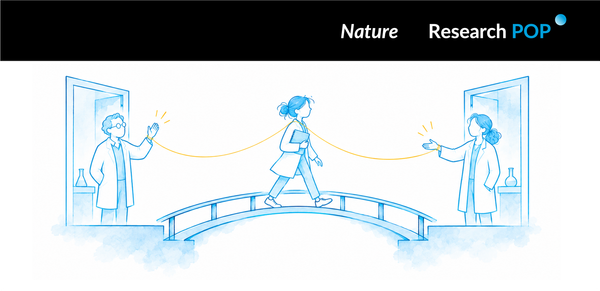
When motivation fades during a PhD, the problem might be a loss of agency

Source: https://www.nature.com/articles/d41586-026-02563-9
A third-year PhD student wrote to Nature after finding it increasingly difficult to do more than the minimum required for their degree. Earlier in the programme, they had moved from wet-laboratory research to bioinformatics. The change followed an unsustainable work–life balance at the bench and a growing interest in computational approaches.
Working from home offered greater flexibility, and the student initially threw themselves into the new field. Evenings once passed with papers, coding and the excitement of learning unfamiliar methods. By the third year, however, that energy had faded. They still liked their project, principal investigator and colleagues, but no longer felt the same drive to keep working beyond what was necessary.
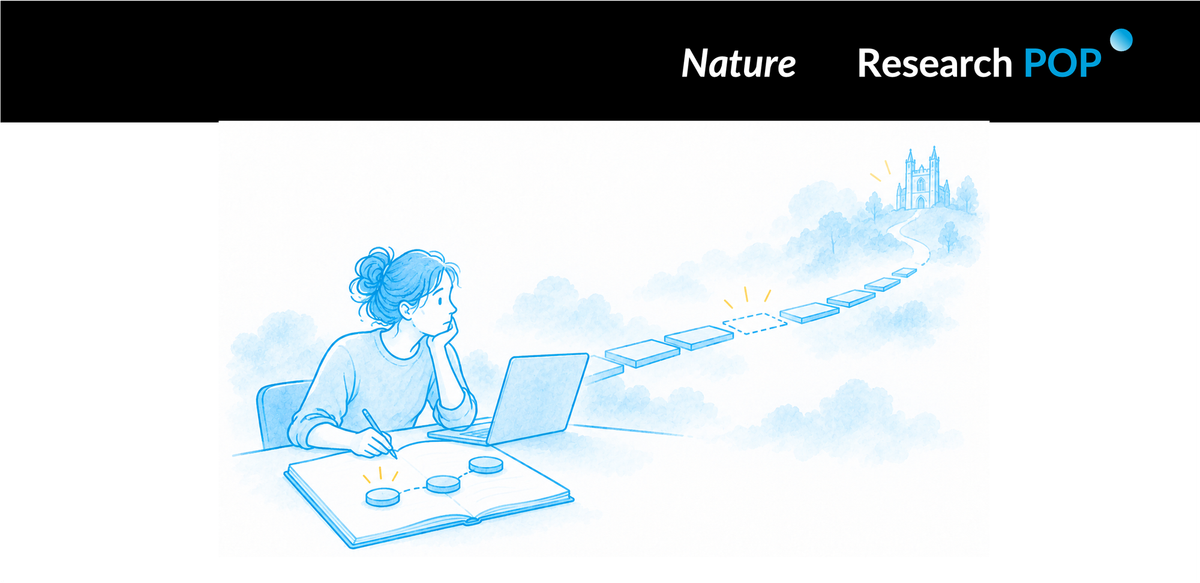
A major source of frustration lay outside their immediate control. The project depended on clinical metadata that had still not become available after three years. Without those data, sustained effort did not reliably lead to visible progress. The student felt exhausted by the delay and guilty about their reduced productivity.
For this Career Feature, Nature asked several advisers to consider what might be happening and what the student could try next. They note that a loss of momentum during the third year of a PhD is common. The early novelty has often faded, while the final endpoint can still feel distant. Moving from practical laboratory work to spending most of the day at a screen can also require a new routine and different ways of recognizing progress.
The advisers do not assume that every change in motivation has the same cause. A marked or sudden change in energy, concentration or mood should be discussed with a physician. Health concerns, burnout and ordinary fluctuations in motivation can overlap, and a career article cannot distinguish among them for an individual reader.
In the situation described, however, the problem might also be understood as a loss of agency. Motivation is easier to sustain when effort leads to feedback, decisions or measurable movement. When an essential part of a project remains unavailable for years, the student cannot readily change the outcome through harder work. Conserving energy can become a response to repeated experiences of being unable to move the project forward.
The article recommends a serious conversation with the student's supervisors. Rather than asking only for encouragement, the student can request a clearly defined alternative plan. A Plan B should include a trigger, such as a specific date by which the clinical data must arrive, a definite rejection of the data request or a deadline for receiving a decision.
The trigger matters because an alternative that can always be postponed is not yet an operational plan. Once the agreed condition is reached, the student and supervisors would know when to stop waiting and redirect the work. This can return some decision-making power to the student even before the external data problem is resolved.
A revised project should also contain smaller steps capable of producing visible progress. Possibilities raised in the article include a methods paper or a narrowly scoped analysis using data that are already available. Such work would not necessarily replace the original scientific goal, but it could create achievable milestones, strengthen the thesis and provide feedback that has been missing from the main project.
The student does not need to frame the next decision as a choice between complete commitment and immediate departure. The advisers suggest setting a defined period, perhaps two months, to test specific changes and gather information. At the end of that period, the student could evaluate whether the project had become more workable and whether their sense of engagement had changed.
If the principal investigator cannot provide enough support, a programme director, committee member or another trusted academic might offer an additional perspective. That person may be able to clarify degree requirements, identify alternative datasets or help turn a vague backup idea into a plan with deadlines and responsibilities.
The article also introduces “job crafting”, which means deliberately adjusting the parts of a role that can be changed. For this student, that might involve increasing the tasks that remain meaningful and reducing the least rewarding elements where possible. Returning to the workplace more often, scheduling informal conversations with colleagues or creating a clearer end to the workday could also reduce the isolation associated with working mainly from home.
Life outside the PhD is part of the same discussion. Hobbies, exercise and relationships unrelated to the project can restore energy rather than distract from research. A degree does not have to occupy every evening to remain important, and reduced willingness to work continuously is not by itself evidence of failure.
The feature ultimately makes room for an uncomfortable possibility: the essential data might never arrive. Accepting that possibility does not necessarily mean giving up too early. It can be a realistic starting point for designing a thesis around the project as it actually exists. By setting decision points, creating attainable work and seeking support beyond one supervisor, the student may be able to recover some of the agency that prolonged waiting has taken away.
Author: Christine Ro
Source: Nature · Career Feature
Published: 23 September 2026
Original article: https://www.nature.com/articles/d41586-026-02563-9
Research POP Notes
This article reflects the independent interpretation of the Research POP team and does not represent the views of the authors, their institutions or the journal. If you identify any inaccuracies or have concerns regarding the content, figures or attribution, please contact us at team.researchpop@gmail.com. We will review the matter promptly and make corrections or remove the relevant material where appropriate.