How can PhD training use AI without outsourcing independent thought?


Source: https://www.nature.com/articles/d41586-026-03178-w
 David Payne
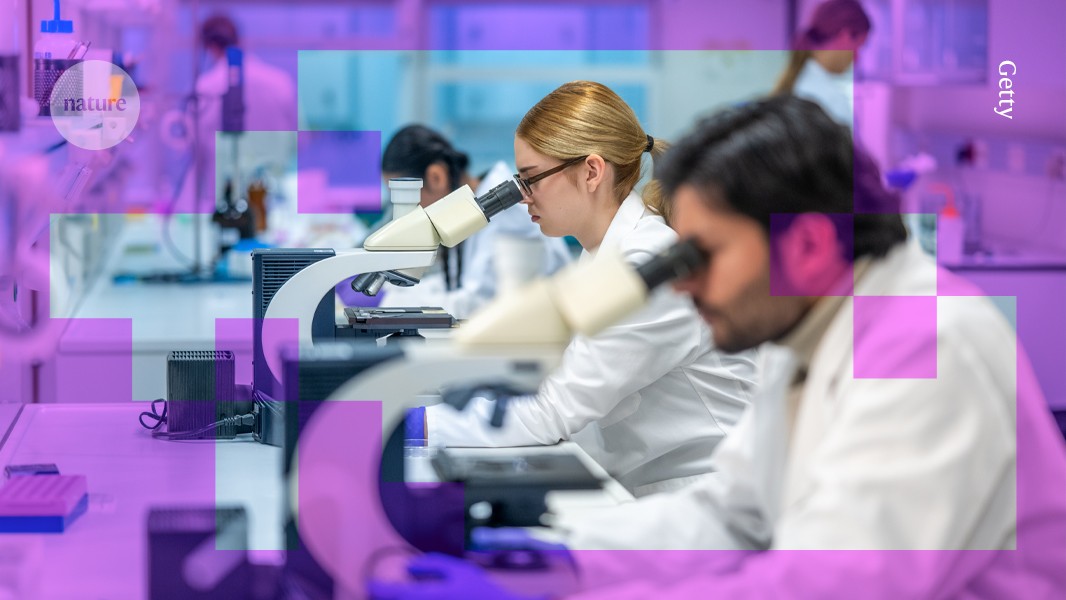
Graduate students increasingly use artificial-intelligence tools to search the literature, summarize papers, prepare presentations and generate code. These tools can help researchers organize information and complete tasks more quickly. Doctoral training, however, also depends on the intellectual work involved in those tasks: learning to formulate questions, evaluate evidence, work through uncertainty and reach independent judgements.
A short Nature Career News article introduces a discussion about how AI use can fit within that training. Nature’s careers team brought together three panellists for a 60-minute webinar on AI’s impact on doctoral programmes. Hosted by science journalist Julie Gould, the event included a live question-and-answer session, and a recording is available through the article.
The discussion addresses a practical challenge for universities. Students are already using AI, and familiarity with these tools is becoming relevant to research careers. Doctoral programmes must therefore consider how to incorporate them while preserving opportunities for students to develop and demonstrate their own understanding.
One useful way to examine that balance is to ask what a student can explain after using a tool. Do they understand the answer it produced? Can they check its references, assess its evidence and explain the steps behind an analysis? Can they recognize when an apparently convincing response does not address the research question? These questions help distinguish completing a task from learning through it.
For supervisors and doctoral programmes, the issue also concerns how training is designed. Guidance on appropriate use, opportunities to discuss AI-assisted work and assessments that reveal students’ reasoning all become relevant. The educational value of a tool depends partly on how it is used and which parts of the thinking remain with the researcher.
David Payne’s article serves as an introduction to the recording rather than a detailed account of the panel’s arguments. It offers a starting point for a conversation that reaches beyond individual tools: how can doctoral education make room for AI while ensuring that graduates can question, verify and defend the work they produce?
Author: David Payne
Source: Nature · Career News
Published: 15 October 2026
Original article and webinar: Nature
Research POP Notes
This article reflects the independent interpretation of the Research POP team and does not represent the views of the authors, their institutions or the journal. If you identify any inaccuracies or have concerns regarding the content, figures or attribution, please contact us at team.researchpop@gmail.com. We will review the matter promptly and make corrections or remove the relevant material where appropriate.