Are scientists’ salaries keeping up? Nature’s survey documents financial pressure across research careers

 Linda Nordling
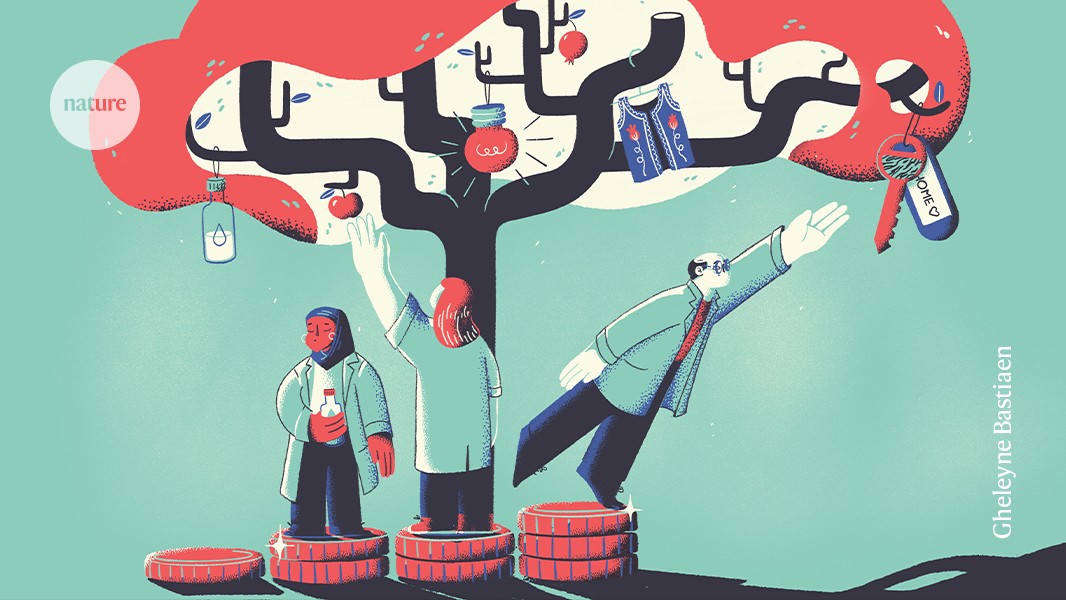
A salary supports the everyday conditions that make a research career possible: housing, childcare, transport and the ability to plan ahead. In a Nature Career Feature, journalist Linda Nordling examines how scientists experience their pay and how financial pressure influences their career decisions.
The article draws on Nature’s 2026 science-job satisfaction survey, which received responses from 3,882 self-selecting participants across 133 countries. Only 45% reported receiving a pay rise in the previous 12 months, while 6% had experienced a pay cut. Thirty-two per cent said their salary covered only basic expenses, and another 10% said it did not cover even those.
More than half of respondents earned less than US$50,000 a year, while 22% earned at least $80,000. In the 2021 survey, the corresponding proportions were 38% and 32%. However, the article cautions that this difference cannot establish a global decline in scientific salaries. The geographical composition of the sample changed substantially: Asia accounted for 39% of respondents in 2026, compared with 10% in 2021.
Nature developed the survey with the research consultancy Thinks Insight & Strategy and recruited participants through its websites, digital products and email campaigns. Participation was voluntary, so the findings describe this group’s experiences rather than a statistically representative sample of researchers worldwide.
National comparisons also depend on how salaries are measured. In nominal US-dollar terms, 65% of US-based respondents earned more than $80,000. In India, 53% earned less than $15,000, as did 61% of respondents in Africa. These figures reflect different combinations of career stages, employment sectors and locations within each sample.
Adjusting for purchasing power changes the comparison. Average salaries in the Canadian sample overtake those in the United States, Germany moves close to the US level, and some gaps between richer and emerging economies narrow. The article’s examples from Brazil, China and Europe further show how housing costs, benefits, performance-linked pay and institutional assessment systems affect the practical value of an income.
Employment sector produces another substantial difference. Industry researchers earned 66% more on average than academics in the survey. Fifty-eight per cent of industry respondents were satisfied with their salary, compared with 43% in academia and 44% across the full sample. Researchers in industry still described financial pressures, including childcare costs and limited salary growth, but the pay gap contributed to some respondents’ decisions to leave university positions.
For those whose salaries failed to cover basic expenses, the consequences extended into everyday choices. Forty per cent reported cutting essential spending, 37% took on additional work and 30% used personal savings. A quarter took out loans, a quarter borrowed from people they knew, and 20% lived with family or friends to reduce costs.
Pay also featured in plans to move jobs. Sixteen per cent of all respondents intended to leave their current position within the next year. Among that group, 38% selected better pay as a reason, behind better career development at 41%. Respondents described how continuing financial worry could consume time and attention otherwise available for research.
Nordling’s feature places these experiences alongside the survey’s limits. Differences in purchasing power, career stage, sector and sample composition complicate comparisons across countries and years. Within the surveyed group, however, the responses document how limited income affects daily spending, reliance on additional work and decisions about whether to remain in a position.
Author: Linda Nordling
Source: Nature · Career Feature
Published: 26 October 2026
Original article: Are salaries getting worse? Many scientists think so
Research POP Notes
This article reflects the independent interpretation of the Research POP team and does not represent the views of the authors, their institutions or the journal. If you identify any inaccuracies or have concerns regarding the content, figures or attribution, please contact us at team.researchpop@gmail.com. We will review the matter promptly and make corrections or remove the relevant material where appropriate.