ERC Starting Grant Applications Rise by 60% as Projected Success Rate Falls Below 5%

 Jonathan O’Callaghan
The European Research Council received 7,710 applications for its 2027 Starting Grant call, compared with 4,807 in the previous round—a corrected increase of 60%. With up to 373 grants available, the projected success rate is approximately 4.8%, down from 8.8% for the 2026 call.
In a Nature report, Jonathan O’Callaghan examines the factors behind the increase and its implications for research funding. AI tools have made application text easier to produce, but the report also describes changes in eligibility and applicant geography.
The eligibility window widened from 2–7 years after completing a PhD to 0–10 years, allowing a broader group of researchers to apply. Applications from outside the European Union have also increased. These changes accompany the growing availability of AI-assisted writing, making it difficult to attribute the surge to any single factor.
The larger applicant pool places additional demands on assessment. When funding is available for fewer than one in twenty applications, reviewers must distinguish among many strong proposals, including projects that could merit support but fall outside the available budget.
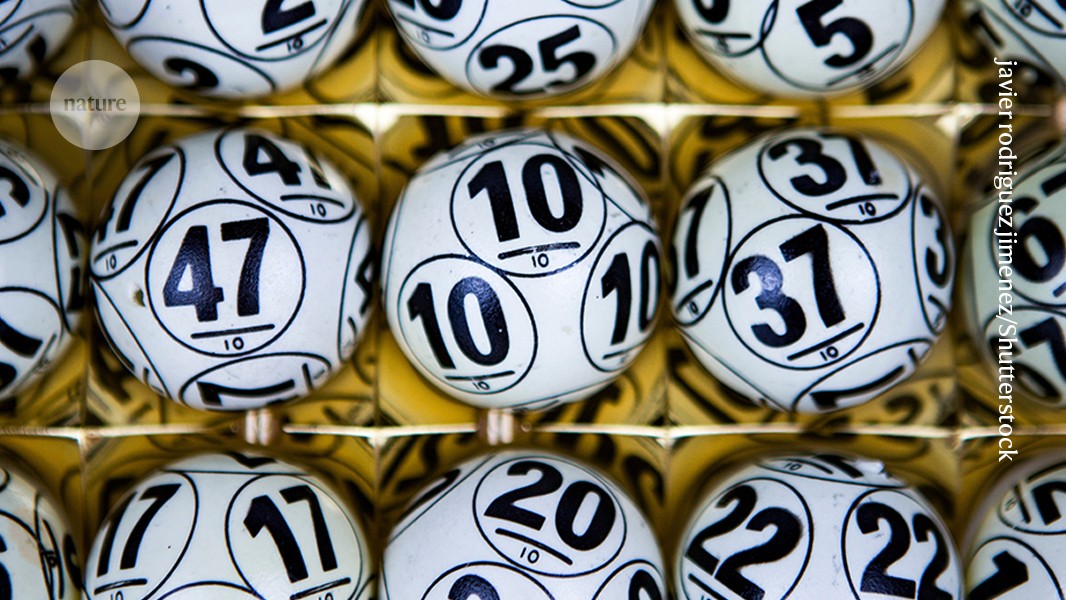
One approach discussed in the article would combine peer review with randomized selection. Reviewers would first identify a group of leading proposals, after which grants would be allocated randomly within that group. Peer review would establish which applications qualify for consideration, while randomization would determine the final allocation among them.
The report considers this proposal as part of a wider discussion about how funding agencies handle rising application numbers, reviewer workloads and the difficulty of ranking strong proposals when relatively few can receive funding.
Author: Jonathan O’Callaghan
Source: Nature
Original article: Read the report
Research POP Notes
This article reflects the independent interpretation of the Research POP team and does not represent the views of the authors, their institutions or the journal. If you identify any inaccuracies or have concerns regarding the content, figures or attribution, please contact us at team.researchpop@gmail.com. We will review the matter promptly and make corrections or remove the relevant material where appropriate.