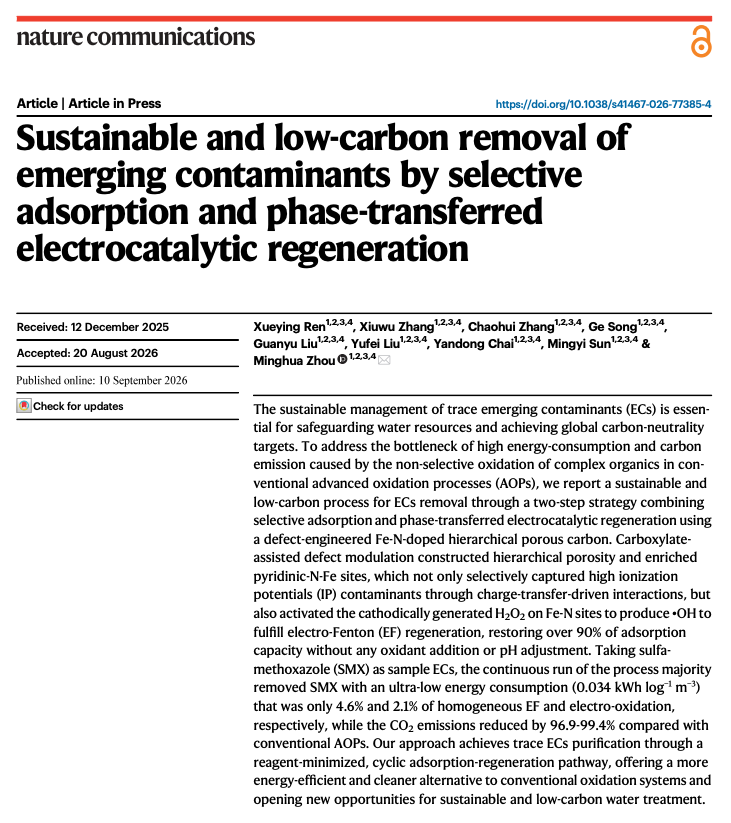
Nankai University team combines selective capture with electrochemical regeneration to remove trace sulfamethoxazole


Source: https://www.nature.com/articles/s41467-026-77385-4
At a glance
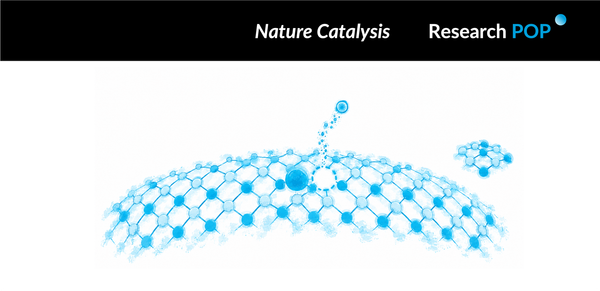
A team from Nankai University has developed a two-stage strategy for removing trace organic contaminants from water: first capture and concentrate the target pollutant, then treat the loaded material in a much smaller reactor. The researchers used a defect-engineered iron–nitrogen–carbon material, D-Fe-N-C-0.03, to selectively adsorb sulfamethoxazole (SMX) from water. The loaded material was then transferred to a 50 mL electro-Fenton reactor, where an air-diffusion cathode generated hydrogen peroxide in situ and iron sites in the material helped drive oxidation.
At pH 5 and a current density of 10 mA cm⁻², 30 min of electro-Fenton treatment restored 90.1% of the material’s initial adsorption capacity. Apparent mineralization reached 36.8% after 30 min and increased to 82.5% after 90 min, showing that adsorption sites could be reopened quickly while the remaining organic material continued to break down. In a laboratory flow experiment, 50 mg of adsorbent was packed into a 0.5 mL bed and used to treat SMX solutions at concentrations of 100–1000 μg L⁻¹ and a flow rate of 3 mL min⁻¹. SMX removal remained above 90% through three adsorption–regeneration cycles. Together, these results demonstrate the potential of combining selective capture with small-volume electrochemical regeneration for trace-contaminant treatment.
Background
Trace contaminants such as pharmaceuticals and personal-care products are often present in water at very low concentrations. Directly oxidizing the entire water stream can be inefficient because electrical energy and oxidants may also be consumed by background organic matter. Adsorption can efficiently transfer a target pollutant from water onto a solid material. However, the pollutant then remains on the adsorbent, which must eventually be regenerated or replaced.
The researchers combined these two operations while separating them in space. Their phase-transfer strategy first captures a dilute contaminant from a relatively large volume of water. The loaded adsorbent is then moved into a smaller electrochemical reactor, where the concentrated pollutant is oxidized and the adsorption sites are restored. The same porous Fe–N–C material therefore serves two roles. It acts as an adsorbent during pollutant capture and as a heterogeneous electro-Fenton catalyst during regeneration. The researchers screened ten organic compounds in batch experiments, while the detailed regeneration, flow, real-effluent and mechanistic studies focused on SMX.
Research question
The study explored whether defect engineering could give a single Fe–N–C material the combination of properties required for this process: selective adsorption of trace contaminants, catalytic activity during electro-Fenton treatment and recovery of adsorption sites for repeated use. The team combined material characterization, batch adsorption, continuous-flow experiments, electrochemical regeneration, inhibitor and radical-probe experiments, DFT calculations, and scenario-based energy, cost and carbon analyses.
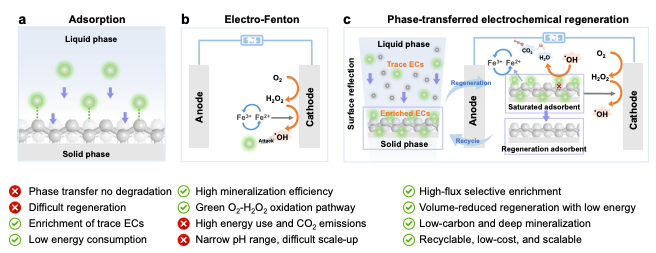
Fig. 1. Schematic illustration of wastewater treatment technology and their characteristic.
Inside the study
The researchers prepared Fe-ZIF-8 precursors using 0–0.07 g of sodium acetate to adjust the defect structure. The resulting materials were pyrolyzed under N₂ at 900 °C and then treated by acid leaching. The material prepared with 0.03 g of sodium acetate, D-Fe-N-C-0.03, showed the strongest overall performance. Compared with the original Fe-N-C material, its BET surface area increased from 275.86 to 533.60 m² g⁻¹, while its average pore diameter decreased from 8.07 to 4.63 nm. Mössbauer spectroscopy showed that the fitted Fe(II) fraction increased from 7.89% to 25.40%. These changes created a more porous structure and altered the local environment of the iron sites, providing more opportunities for SMX to enter the pores and interact with the material.
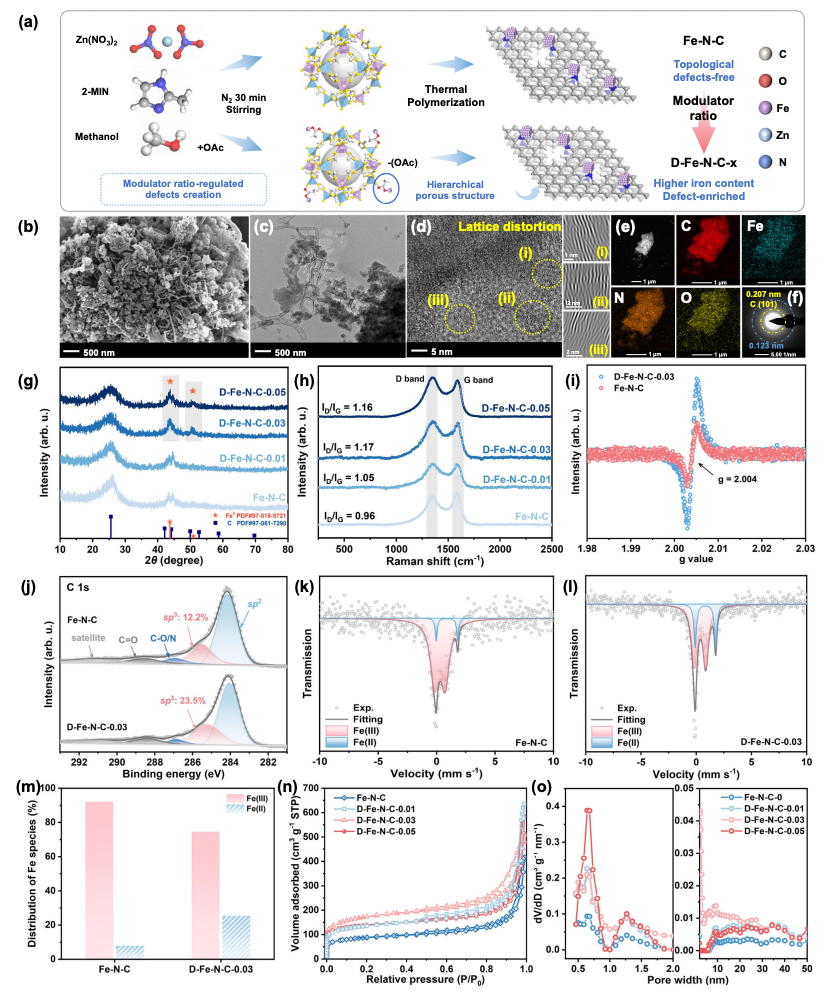
Fig. 2. Synthesis and structural characterization of defect-engineered Fe-N-C adsorbents.
D-Fe-N-C-0.03 reached an SMX adsorption capacity of approximately 300 mg g⁻¹. Under batch conditions at pH 5 and 25 °C, the material adsorbed SMX rapidly, reaching 303.03 mg g⁻¹ within 40 min in the comparison experiment.
To understand how SMX interacts with the material, the team carried out several inhibition experiments. With 10 mg L⁻¹ SMX, 0.20 g L⁻¹ adsorbent, pH 5 and 25 °C, the control experiment achieved 92.25% adsorption. Adding NH₄F reduced adsorption to 82.68%, while KSCN reduced it to 67.95%. In the presence of 1,10-phenanthroline, adsorption decreased to 5.50%. Applying 40 kHz ultrasound for 30 min resulted in 63.07% adsorption.
These treatments affect iron sites, coordination interactions and other molecular interactions in different ways. Together with XPS, open-circuit-potential measurements and DFT calculations, the results support the authors’ proposal that SMX adsorption involves charge transfer, coordination with Fe sites and π-related interactions. Pyridinic-N-coordinated iron environments appear to play an important role. After adsorption, the researchers compared several methods for regenerating the material. Washing with water restored 5.1% of the adsorption capacity. Methanol, ethanol and acetone restored between 48.8% and 63.2%, while direct addition of H₂O₂ restored 60.56%.
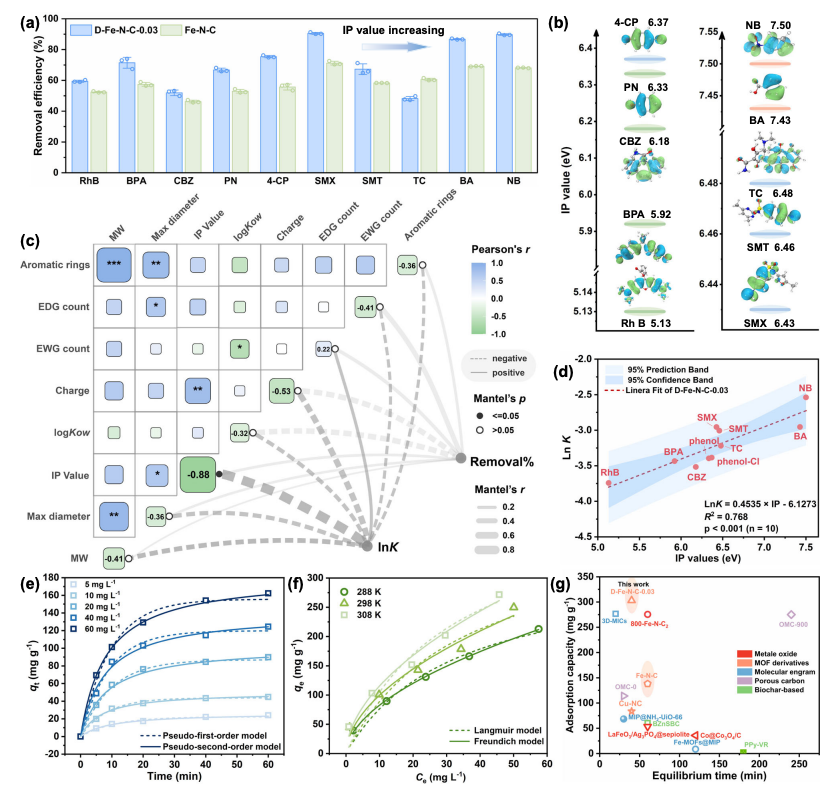
Fig. 3. Selective adsorption performance and molecular descriptor analysis.
Electro-Fenton regeneration produced the highest recovery. At pH 5 and a current density of 10 mA cm⁻², 30 min of treatment restored 90.1% of the material’s initial adsorption capacity. In the electro-Fenton system, the air-diffusion cathode generated H₂O₂ in situ. Iron sites in the Fe–N–C material then activated H₂O₂ to form reactive oxygen species. These species oxidized the SMX adsorbed on the material and reopened the occupied adsorption sites. After 30 min of regeneration, the dissolved SMX concentration was 1.32 mg L⁻¹, equivalent to 3.65% of the amount initially adsorbed. The residual total organic carbon concentration was 10.84 mg L⁻¹, and apparent mineralization reached 36.8%. When the treatment time was extended to 90 min, mineralization increased to 82.5%.
These results show how adsorption capacity can recover relatively quickly while SMX and its transformation products continue to mineralize during longer treatment.
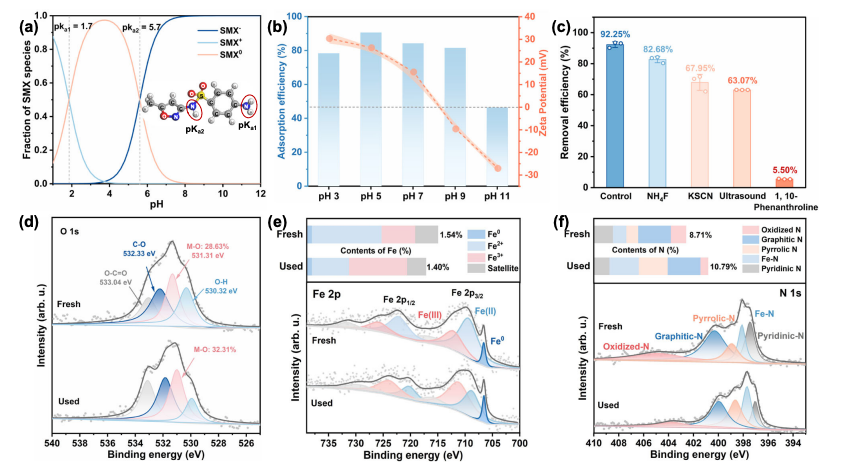
Fig. 4. Adsorption mechanism of SMX on D-Fe-N-C-0.03.
Radical-quenching experiments and EPR measurements identified hydroxyl radicals as the predominant oxidizing species in the electro-Fenton process. Based on the combined characterization and DFT results, the authors proposed that pyridinic-N–Fe environments contribute to SMX adsorption, electron transfer, H₂O₂ activation and subsequent oxidation.
The team then evaluated the material in continuous-flow experiments. A total of 50 mg of D-Fe-N-C-0.03 was packed into a 0.5 mL bed in a solid-phase-extraction column. SMX solutions at concentrations of 100–1000 μg L⁻¹ were passed through the column at 3 mL min⁻¹.
Across three adsorption–regeneration cycles, SMX removal remained above 90%. The breakthrough time changed from approximately 1280 min in the first cycle to 1120 min in the third, showing that the regenerated material retained strong continuous-treatment performance.
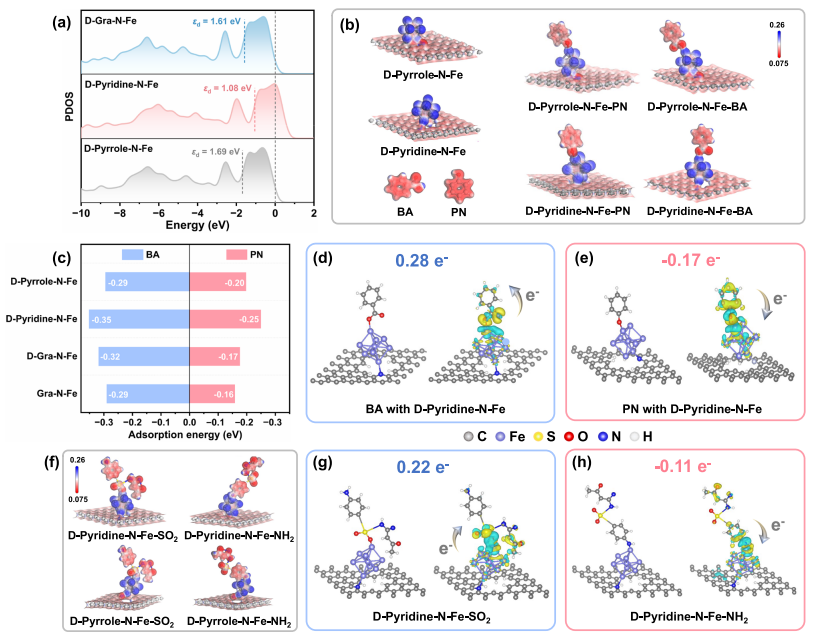
Fig. 5. Evaluation of pollutant adsorption mechanisms at different Fe/N.
When the influent SMX concentration was reduced from 1000 to 100 μg L⁻¹, the breakthrough time increased from 1170 to 3340 min. The corresponding treated water volume increased from 2.3 to 6.7 L, demonstrating the material’s ability to process larger volumes of water when SMX was present at a lower concentration.
The researchers also tested selective adsorption in real secondary effluent containing SMX, phenol and bisphenol A at 500 μg L⁻¹ each. At a flow rate of 2 mL min⁻¹, the breakthrough times at 90% removal were 410 min for SMX, 210 min for bisphenol A and 65 min for phenol. The corresponding adsorbed amounts were 286.05, 171.16 and 80.02 μg, respectively.
These results show that the material preferentially captured SMX from this mixture. In another experiment containing 100 μg L⁻¹ SMX and 30 mg L⁻¹ humic acid, SMX removal remained above 90% for 1500 min, demonstrating that the material could still capture trace SMX in the presence of a much higher concentration of natural organic matter.
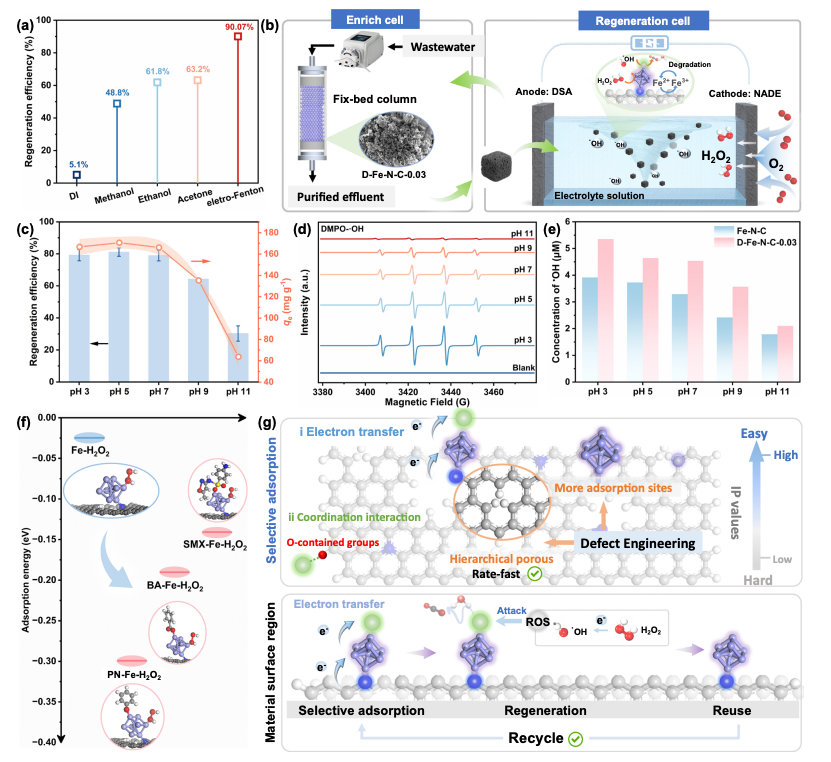
Fig. 6. Electrocatalytic regeneration mechanism.
The team also examined the effects of common water components and pH. Carbonate and bicarbonate affected SMX adsorption by increasing the solution pH. The highest measured iron leaching was 0.24 mg L⁻¹ at pH 3.
In addition to the three continuous-flow adsorption–regeneration cycles, the researchers completed 13 batch cycles. These experiments further demonstrated the ability of D-Fe-N-C-0.03 to operate repeatedly after electrochemical regeneration.
The team also evaluated the energy use, cost and carbon emissions of the proposed process. In a test treating 13.36 L of water containing 100 μg L⁻¹ SMX, the reported electrical energy per order was 0.034 kWh m⁻³ order⁻¹.
The authors estimated a treatment cost of US$0.97 m⁻³. Under the comparison scenarios used in the study, the corresponding values were US$10.22 m⁻³ for homogeneous electro-Fenton treatment, US$20.69 m⁻³ for electro-oxidation and US$5.48 m⁻³ for conventional Fenton treatment.
For simulated municipal wastewater containing 30 mg L⁻¹ humic acid and 100 μg L⁻¹ SMX, the electricity-related carbon emissions of the proposed process were estimated at 9.03 kg CO₂-eq m⁻³. The two electrochemical comparison processes produced estimated values of 720.97 and 1516.46 kg CO₂-eq m⁻³ under the study’s selected scenarios.
The life-cycle assessment considered adsorbent production and the operation required to treat 1 m³ of secondary effluent. These calculations illustrate the possible resource and energy benefits of concentrating a trace pollutant onto a small amount of material before electrochemical treatment.
Takeaways and outlook
This study presents a two-stage approach that combines selective adsorption with electrochemical regeneration. D-Fe-N-C-0.03 first captures and concentrates SMX from a larger volume of water. The loaded material is then moved into a smaller electro-Fenton reactor, where it activates H₂O₂, promotes pollutant oxidation and recovers its adsorption capacity.
The material therefore performs as both an adsorbent and a heterogeneous electro-Fenton catalyst. After 30 min of regeneration, it recovered 90.1% of its initial adsorption capacity. SMX removal remained above 90% through three continuous-flow adsorption–regeneration cycles, while the batch experiments extended the reuse study to 13 cycles.
The material’s preference for SMX, together with its performance in secondary effluent and in the presence of humic acid, highlights the potential of the “capture first, oxidize later” strategy for treating trace emerging contaminants.
Future studies could apply this approach to a broader range of pharmaceuticals and emerging contaminants, as well as different real-water matrices. Further integration of fixed-bed capture and electrochemical regeneration could also help develop the concept into a continuous water-treatment process.
About the researchers
Xueying Ren (Nankai University) is the first author of the study. Xiuwu Zhang, Chaohui Zhang, Ge Song, Guanyu Liu, Yufei Liu, Yandong Chai and Mingyi Sun are also affiliated with Nankai University and contributed to the research.
Minghua Zhou (Nankai University) is the corresponding author.
Original research
Xueying Ren; Xiuwu Zhang; Chaohui Zhang; Ge Song; Guanyu Liu; Yufei Liu; Yandong Chai; Mingyi Sun; Minghua Zhou. “Sustainable and low-carbon removal of emerging contaminants by selective adsorption and phase-transferred electrocatalytic regeneration.” Nature Communications (2026). DOI: https://doi.org/10.1038/s41467-026-77385-4. Published online 10 September 2026. Open access under CC BY-NC-ND 4.0. Images reproduced without modification.
Research POP Notes
This article reflects the independent interpretation of the Research POP team and does not represent the views of the authors, their institutions or the journal. If you identify any inaccuracies or have concerns regarding the content, figures or attribution, please contact us at team.researchpop@gmail.com. We will review the matter promptly and make corrections or remove the relevant material where appropriate.