Why saying “I don’t know” can be part of becoming a better scientist

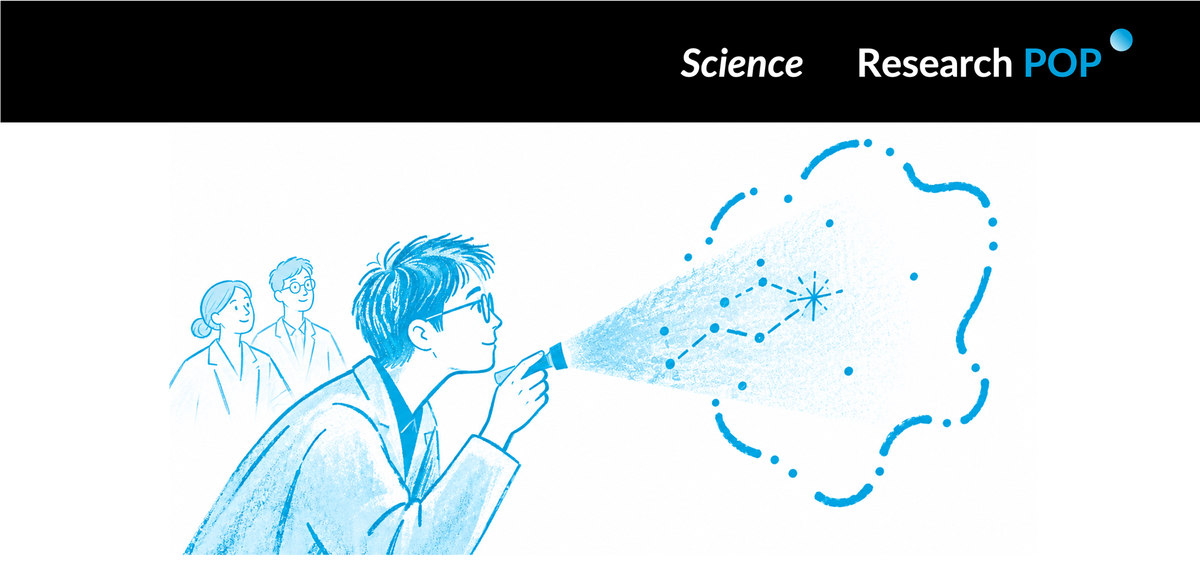
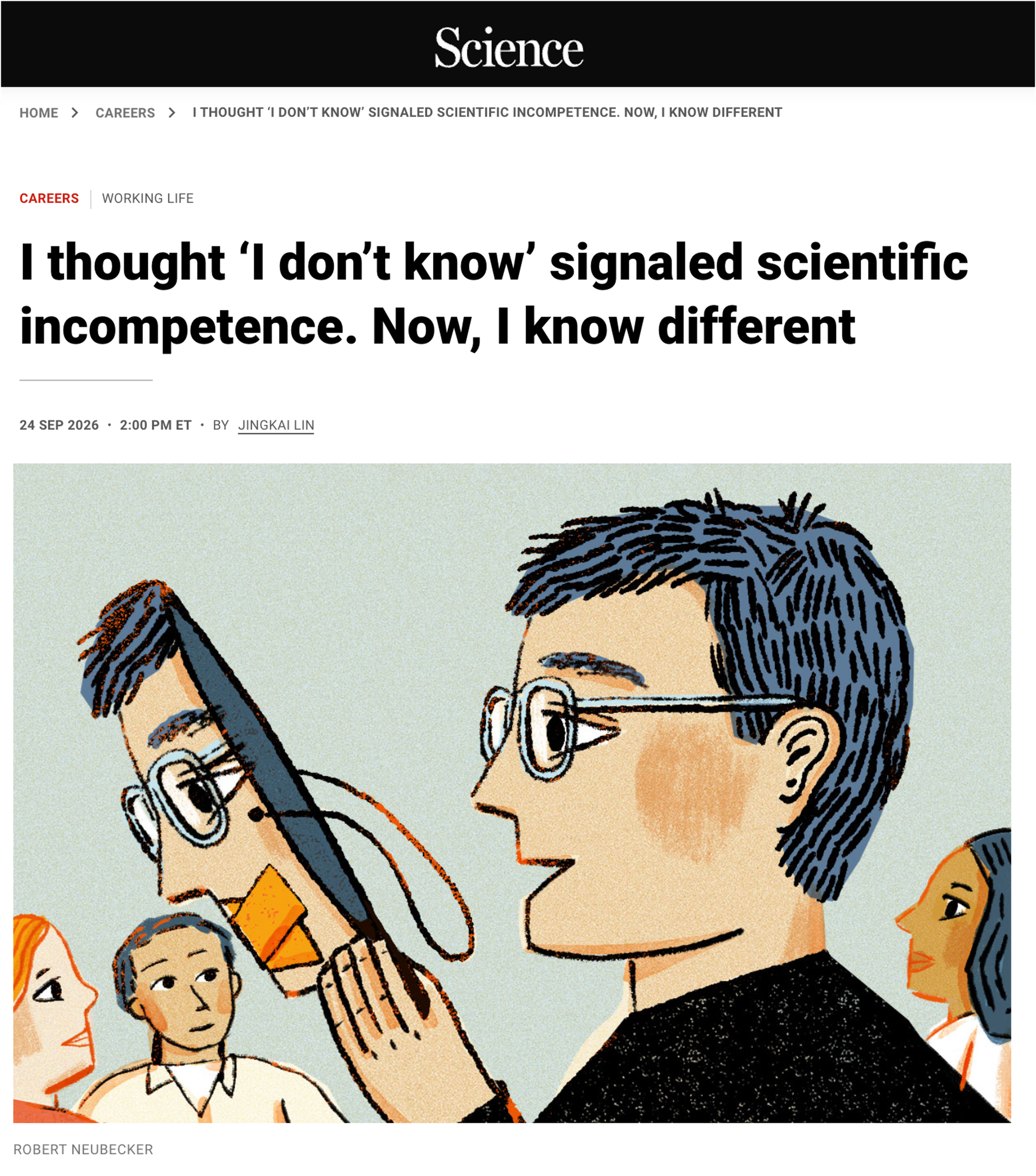
During an interview for a postdoctoral position, Jingkai Lin was given a hypothetical research problem and asked how he would approach it. He did not have a clear answer. Worried that silence would make him appear unprepared, he began assembling fragments of ideas and technical language into a response that sounded more certain than he felt.
The group leader then admitted that he did not know the answer either. That uncertainty, he explained, was exactly what made the problem worth discussing. Lin was offered the position, but he left the interview feeling less reassured than exposed. To him, not knowing still seemed like a weakness that a capable scientist should conceal.
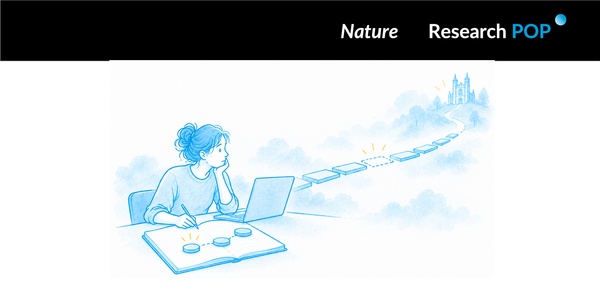
That feeling followed him into his new role. As a postdoctoral researcher, he became increasingly attentive to how he appeared in front of colleagues. He carried a notebook to seminars, nodded during technical discussions and tried to remain composed in informal scientific conversations. Questions came to mind, but he often kept them to himself because he worried that revealing a gap in his knowledge would weaken his credibility.
The difficulty was not simply that he lacked information in a new environment. Moving into an unfamiliar research area meant encountering different concepts, methods and assumptions, yet he felt pressure to behave as though he could follow everything immediately. The effort to look knowledgeable sometimes stood between him and the conversations that could have helped him learn.
A senior postdoc eventually offered a different model of scientific confidence. When a persistent leak disrupted an instrument, the researcher readily admitted that he had no idea what was wrong. He did not treat that admission as the end of the problem. He tested one possible explanation after another, accepted the failed attempts and continued until he located the cause.
What stayed with Lin was the combination of uncertainty and action. The senior researcher did not need to pretend that the answer was already available in order to approach the problem systematically. Saying “I don’t know” created a starting point for observation, testing and revision.
Lin began noticing the same attitude elsewhere. More-senior scientists often became most animated when discussing mechanisms they had not yet explained or experiments they had not yet designed. Their expertise did not remove uncertainty. It helped them define what remained unresolved and decide how to investigate it.
The lesson was not that knowledge is unimportant or that preparation can be replaced by openness. Scientific work depends on technical understanding, careful reasoning and experience. But it also depends on recognizing the boundary of what is known. When that boundary is hidden, questions go unasked and assumptions may remain unexamined.
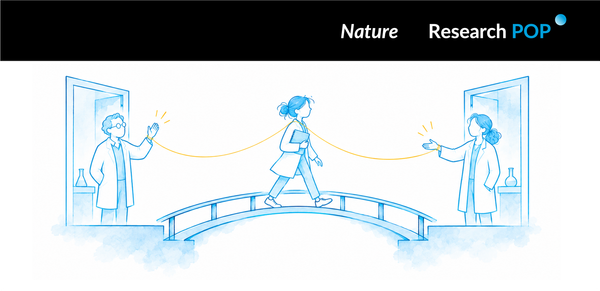
As Lin entered a research area that was new to him, he began asking questions more openly. Conversations with colleagues generated ideas, helped him learn more quickly and prevented unnecessary detours. Admitting uncertainty did not stop him from contributing. It made collaboration and investigation easier to begin.
In this Science Working Life essay, Lin describes a shift from treating uncertainty as something to conceal to seeing it as part of the research process. The change is personal rather than a universal prescription. It reflects his experience of learning that scientific confidence can include being clear about what one does not yet understand.
He still brings a notebook to seminars. Its meaning, however, has changed. It is no longer part of an effort to appear as though he already has every answer. Instead, it reminds him how much remains to be learned and gives him a place to record the questions from which new work might begin.
Author: Jingkai Lin, postdoctoral researcher at ETH Zurich
Source: Science · Working Life
Published: 24 September 2026
Original article: https://www.science.org/content/article/i-thought-i-don-t-know-signaled-scientific-incompetence-now-i-know-different
Research POP Notes
This article reflects the independent interpretation of the Research POP team and does not represent the views of the authors, their institutions or the journal. If you identify any inaccuracies or have concerns regarding the content, figures or attribution, please contact us at team.researchpop@gmail.com. We will review the matter promptly and make corrections or remove the relevant material where appropriate.