Southern University of Science and Technology team couples minerals and electrochemistry for membrane-free urine valorization


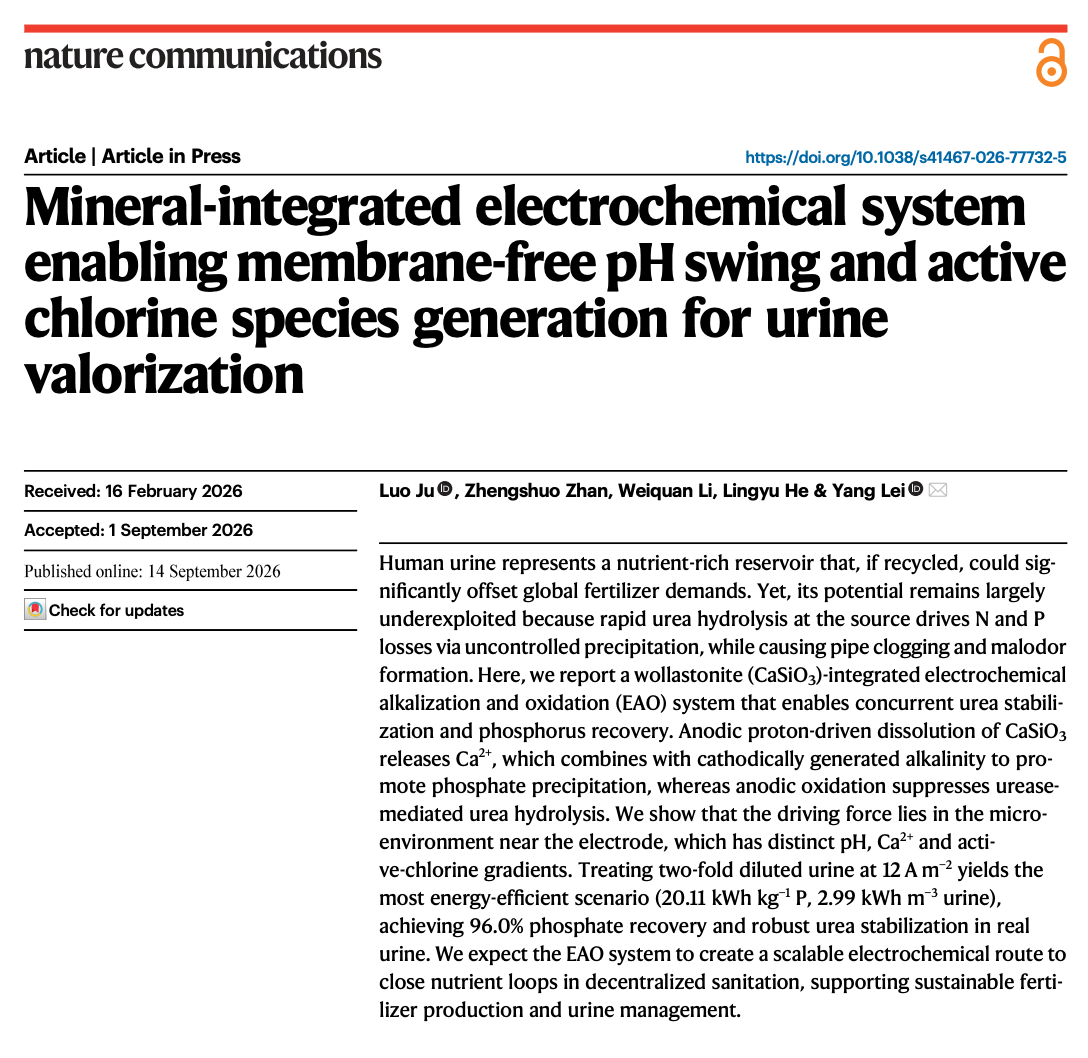
Source: https://www.nature.com/articles/s41467-026-77732-5
At a glance
Human urine is a concentrated source of nitrogen and phosphorus, but its composition begins changing soon after collection. Urease converts urea into ammonia/ammonium and bicarbonate, raising pH and promoting uncontrolled mineral precipitation. This process can lead to nutrient loss, odor and pipe blockage. Stabilizing urea while recovering phosphorus is therefore an important goal for source-separated urine treatment.
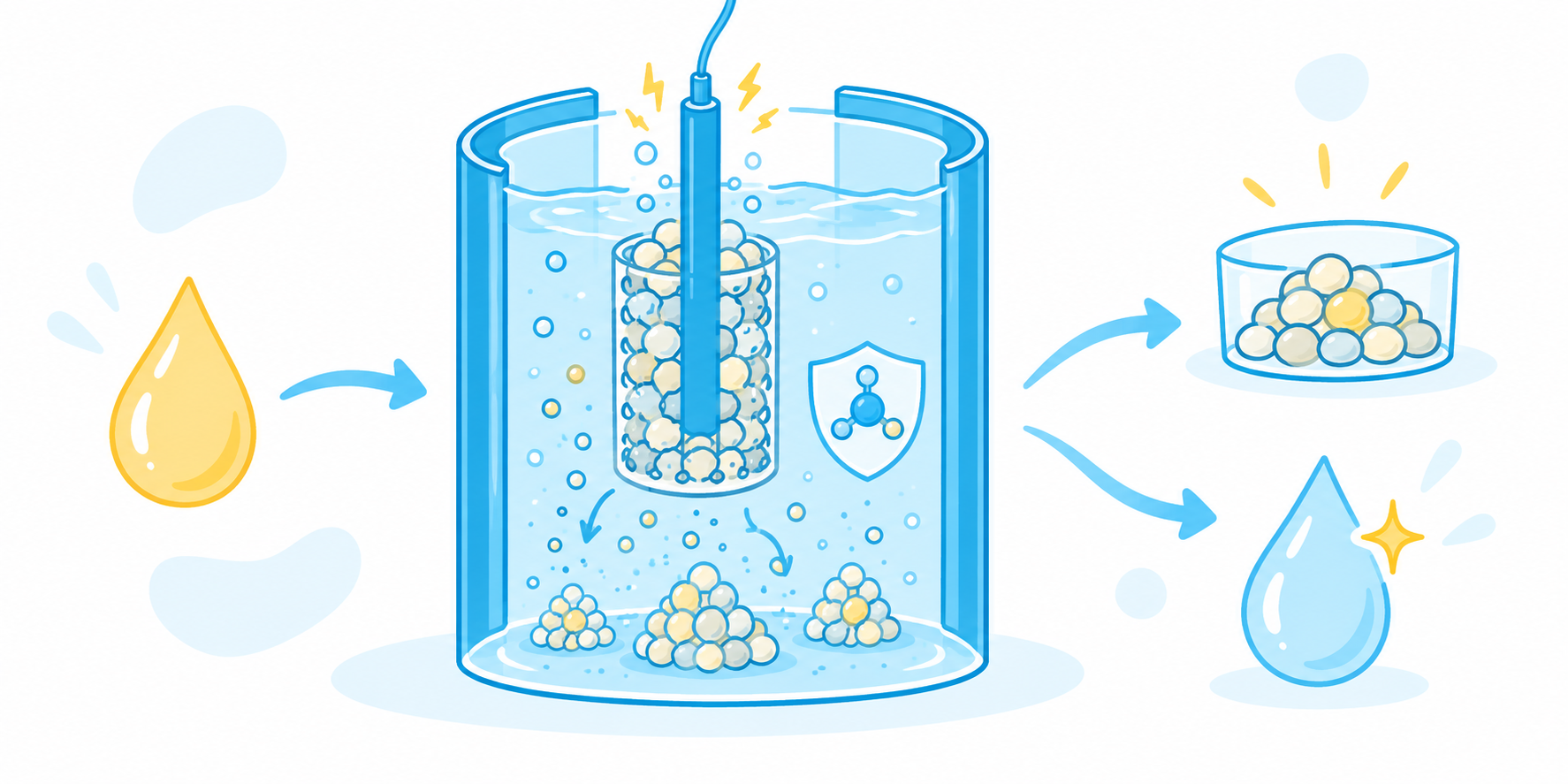
A team at the Southern University of Science and Technology reports a wollastonite-integrated electrochemical alkalization and oxidation system that combines both functions in one membrane-free reactor. A Ru/Ir-coated titanium anode sits inside a porous basket filled with wollastonite, CaSiO3, while a tubular stainless-steel cathode surrounds the basket. During electrolysis, the cathode generates alkalinity, protons produced at the anode dissolve wollastonite and release Ca2+, and chloride near the anode is converted into active chlorine species. The released calcium and rising bulk pH promote phosphate precipitation, while anodic oxidation provides the main pathway for urea stabilization.
In synthetic urine treated at 12 A m-2 for six hours, phosphate decreased from 9.7 to 0.1 mM, corresponding to 99.1% removal; bulk pH reached 9.1 and Ca2+ reached 5.5 mM. After 30 days of storage, urea degradation was 6.6% in the electrochemically treated urine, compared with 92.0% hydrolysis in the untreated control. In a separate real-urine validation using twofold dilution, 12 A m-2 and six hours of electrolysis, phosphate decreased from 3.3 to 0.1 mM, or 96.0%. Urea remained fully stabilized for 10 days, with noticeable decomposition first appearing on day 12.
Background
Source separation can make urine nutrients available for recovery before they are diluted into the wider wastewater stream. The challenge is that urea hydrolysis quickly alters the chemistry. Alkaline additives can slow urease activity and induce phosphate precipitation, while oxidants can inactivate urease. However, each approach supplies only part of the chemistry needed to stabilize urea and recover phosphorus together. Membrane-based electrochemical systems can integrate different reaction environments, although membrane fouling and scaling affect their operation.
The authors had previously developed mineral-packed, membrane-free electrochemical systems for phosphate recovery. In those designs, protons generated at the anode react with a calcium-bearing mineral instead of immediately neutralizing hydroxide produced at the cathode. This study extends that concept to fresh urine and asks whether the same architecture can combine phosphorus recovery with protection of urea.
Research question
The study asks whether a mineral-integrated, membrane-free reactor can stabilize urea while recovering phosphorus, and how electrochemical alkalization, calcium supply and electrooxidation divide those functions. It also examines the local pH and ion gradients that arise around the anode and mineral packing, then tests how current density and urine dilution affect removal, storage stability, treatment time and calculated energy demand. Finally, the team evaluates performance with real urine and places the laboratory results into a residential deployment scenario.
Inside the study
The reactor places a rod-shaped Ru/Ir-coated titanium anode at the center of a porous basket containing 0.5-1.0 mm wollastonite particles. A porous tubular stainless-steel cathode surrounds this assembly. Synthetic urine was used for proof-of-concept, mechanism and parameter tests, with 0.533 g L-1 urease added to mimic enzymatic hydrolysis. Fresh real urine collected at SUSTech was used in the validation stage. Phosphate and calcium were measured by ICP-OES, total ammonia nitrogen by Nessler spectrophotometry, free chlorine by the DPD method and urea by the diacetyl monoxime method. Recovered solids were examined by Raman spectroscopy, SEM and elemental mapping. Figures 1-5 report means and standard deviations from three independent replicates.
The synthetic-urine proof of concept combined rapid phosphate removal with much slower urea loss during storage. At 12 A m-2, six hours of treatment raised pH to 9.1, increased dissolved Ca2+ to 5.5 mM and reduced phosphate from 9.7 to 0.1 mM. Raman bands, spherical particle aggregates and Ca-P colocalization were consistent with amorphous calcium-phosphate-rich solids. Thermodynamic modeling also predicted calcium phosphate as the dominant phosphate phase under the operating conditions. Together, the calculations and material characterization describe the formation of calcium-phosphate-rich precipitates in the reactor.
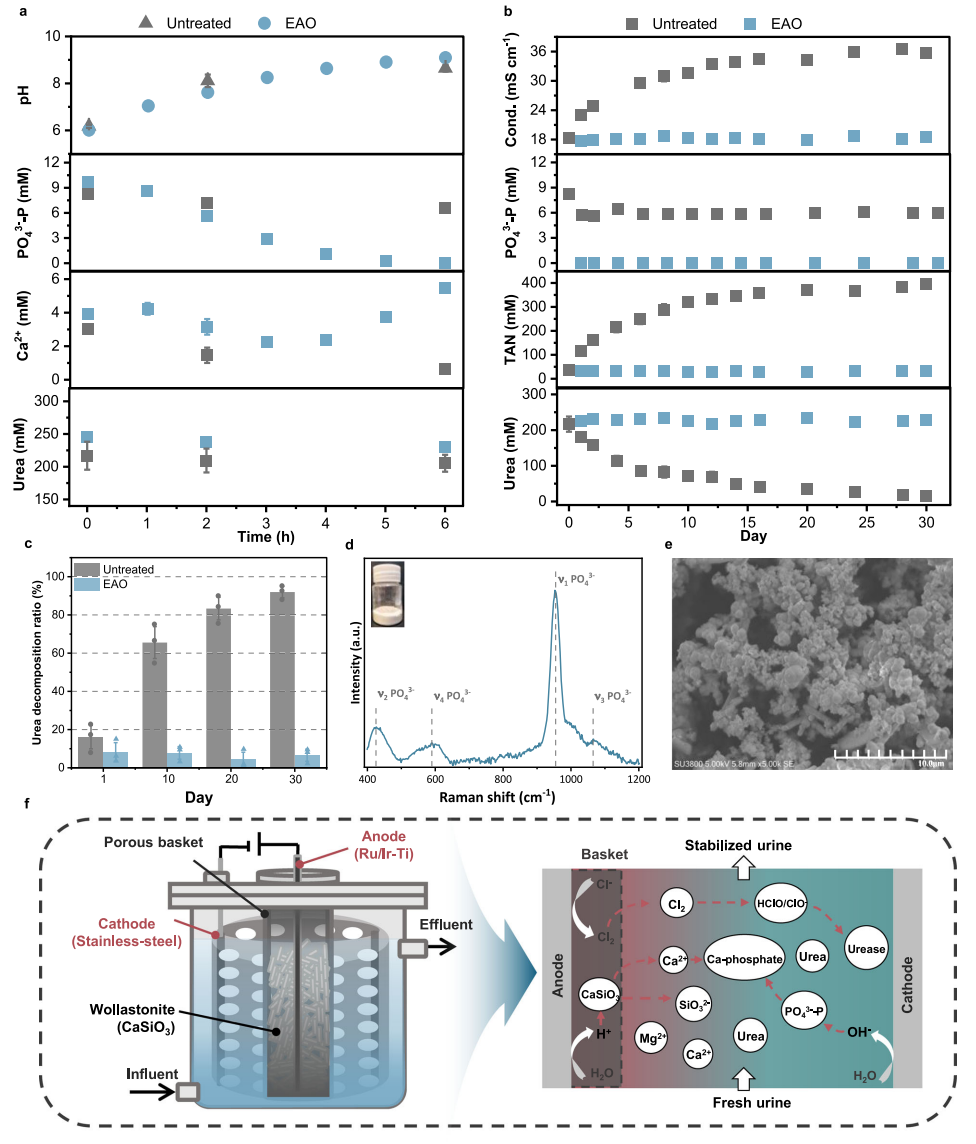
Fig. 1: Simultaneous phosphorus recovery and urea stabilization.
The control experiments clarified how the integrated system works. Adding base to approximately pH 9.1 lowered phosphate initially, but removal plateaued without enough Ca2+. Base slowed urea hydrolysis during storage without fully preventing it. Electrooxidation without wollastonite kept conductivity, total ammonia nitrogen and urea nearly constant, performing similarly to the full system for stabilization, but it did not raise the bulk pH enough to remove phosphate. The authors therefore identify electrooxidation as the dominant urea-stabilization mechanism, with alkalinity as a secondary contribution, while complete phosphorus recovery requires both elevated pH and a continuing calcium supply.
Spatial sampling showed that the reactor develops distinct chemical environments. At 12 A m-2, the anode surface remained at pH 3.8, the mineral-packed zone 3 mm away was at pH 4.6, and the bulk rose to about pH 9. Calcium concentration declined from the anode region toward the bulk, while free chlorine was highest near the anode. Total ammonia nitrogen and urea were also lower closer to that electrode. Based on these profiles, the authors propose that oxygen evolution produces protons that dissolve wollastonite and release Ca2+. Proton consumption by the mineral limits direct H+-OH- neutralization, allowing cathodic OH- to accumulate in the bulk. Meanwhile, chloride migration and anodic oxidation generate active chlorine species that suppress urease activity.
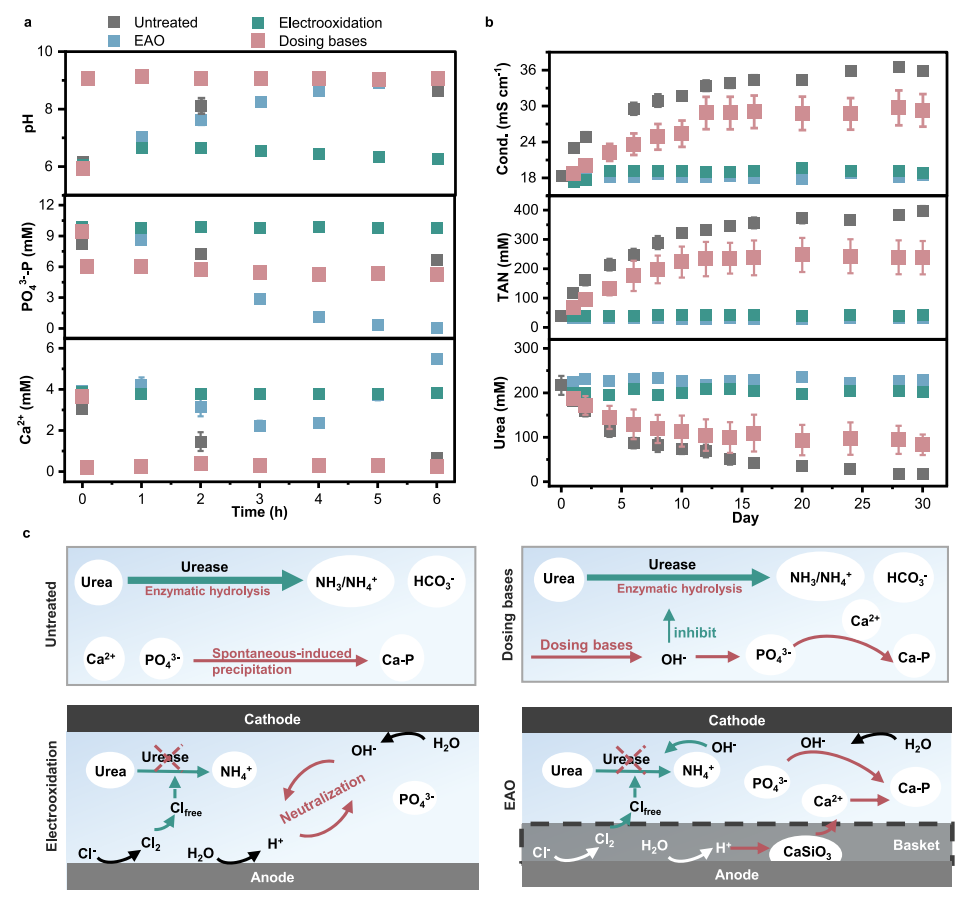
Fig. 2: Synergistic mechanism of electrochemical alkalization and electrooxidation.
Current density controlled both reaction families. After six hours at 1.2 A m-2, pH rose from 6.0 to 7.3 and phosphate fell from 9.8 to 7.1 mM, equal to 26.6% removal. At 12 A m-2, pH reached 9.1 and phosphate fell to 0.1 mM, equal to 99.1% removal. The reported 30-day urea-stability index increased from 0.88 to 0.93; partial hydrolysis appeared after day 16 at the lower current, while no significant degradation was reported at the higher current. The authors attribute these improvements to faster cathodic hydroxide generation, proton-driven mineral dissolution and active-chlorine production.
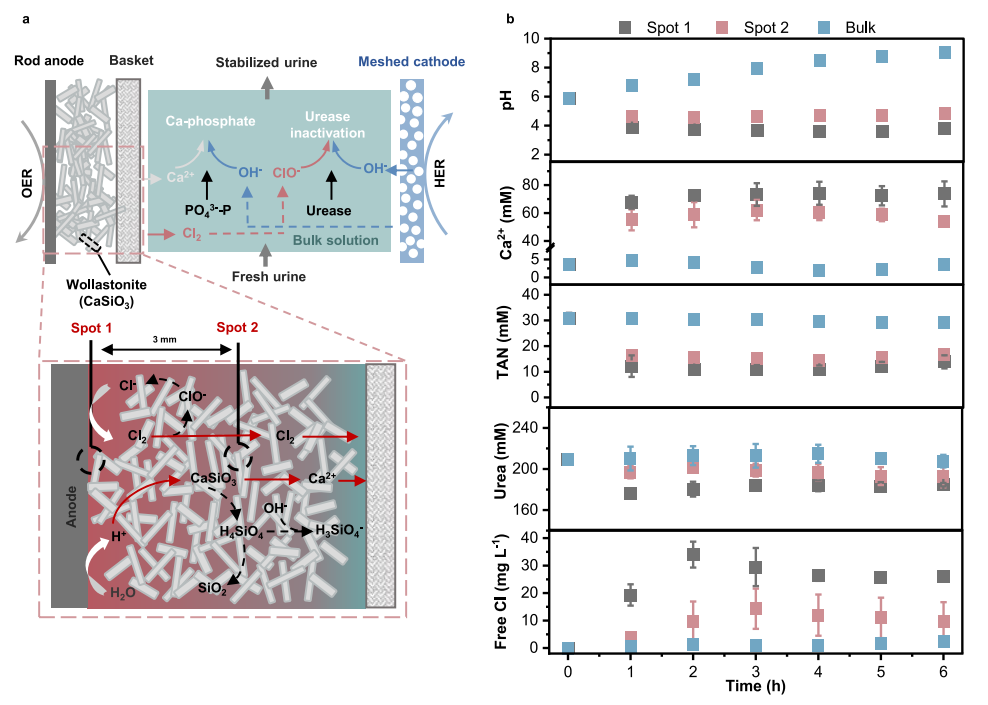
Fig. 3: The interfacial chemistry and ionmigration within the EAO system.
Dilution introduced a balance between treatment time and electrical performance. Undiluted, twofold-diluted and fivefold-diluted synthetic urine were treated for six, three and two hours, respectively. Lower nutrient loads shortened the required treatment, while greater dilution reduced conductivity and increased cell voltage. The team selected twofold dilution at 12 A m-2 as the most favorable overall condition for synthetic urine, reporting energy demands of 20.11 kWh kg-1 P and 2.99 kWh m-3 urine. In the separate real-urine experiment, six hours of treatment gave an energy demand of 72.54 kWh kg-1 P, together with 96.0% phosphate removal and complete urea stabilization for 10 days.
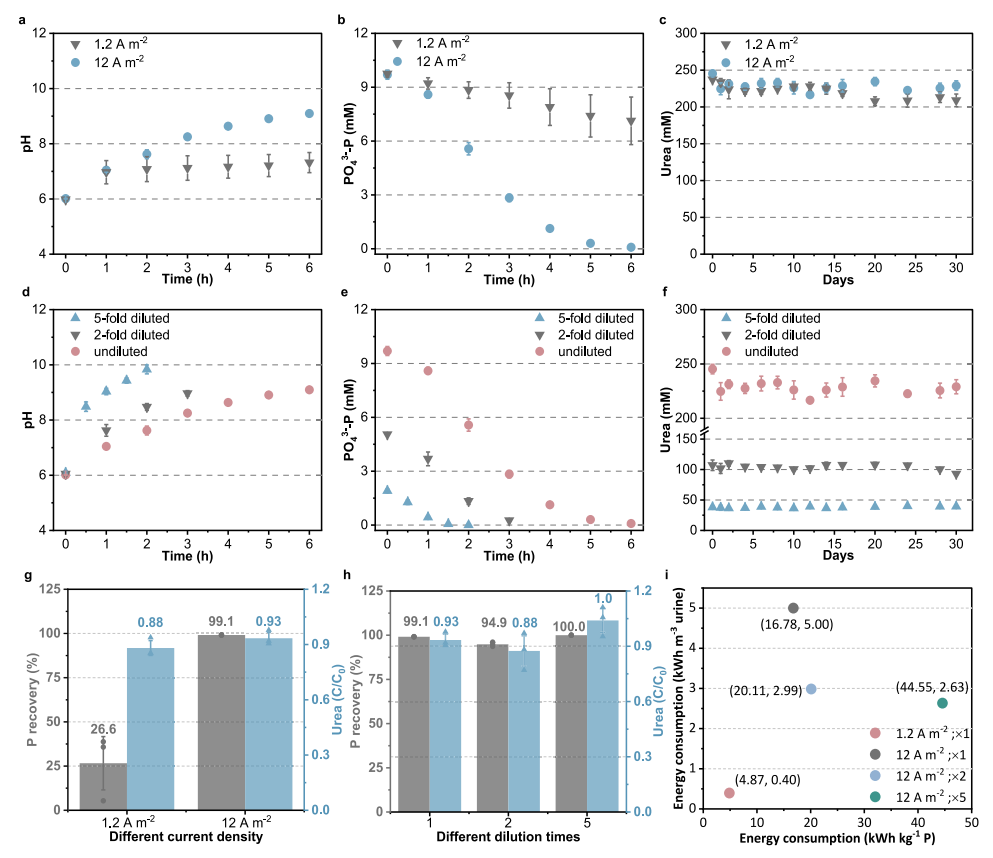
Fig. 4: Influence of various conditions on the system’s performance.
The paper also presents a residential scenario based on the laboratory performance and parameters from earlier studies. For a 0.13 m3 reactor operated over five years, the estimated total cost is US$4,994.93. Capital expenditure accounts for 27.0%, including a US$1,350.20 initial investment, while operating expenditure accounts for 73.0%. Transportation and electricity contribute 34.7% and 31.3% of the total cost, respectively. This scenario provides an initial framework for considering how the system could be used in decentralized residential settings.
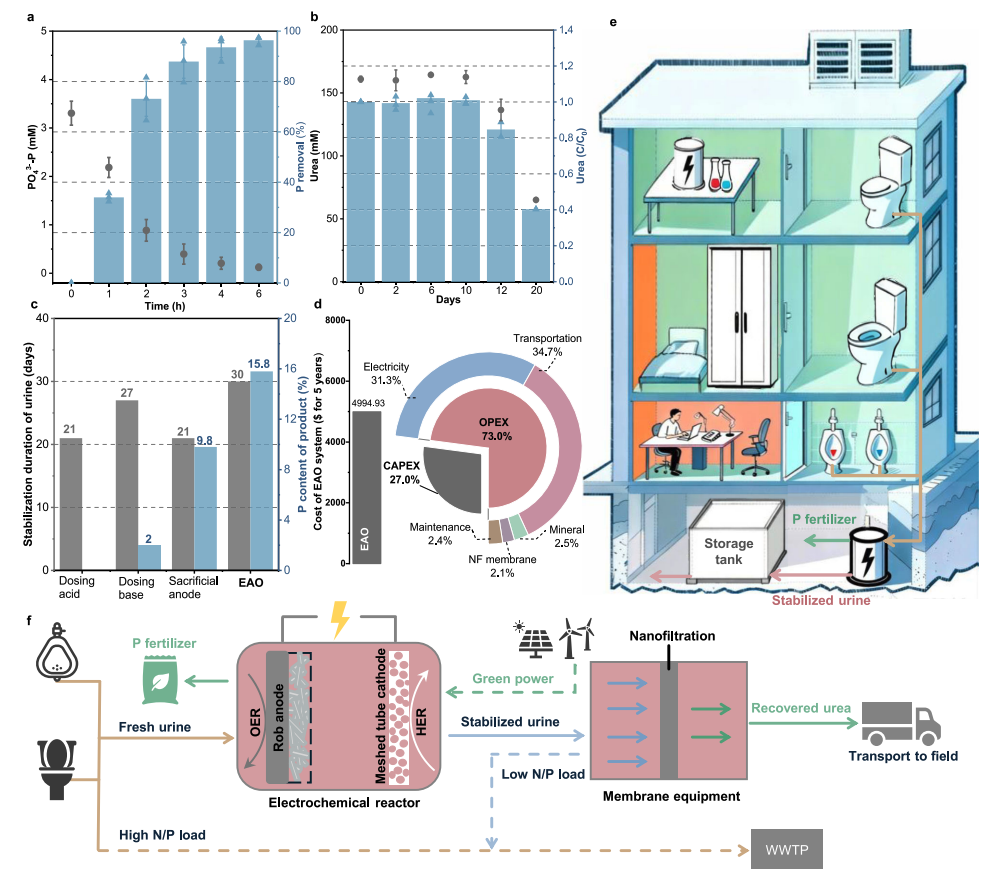
Fig. 5: Real urine stabilization performance and economic assessment of the EAO system.
Takeaways and outlook
The study brings several electrochemical and mineral reactions together within one membrane-free reactor. Proton generation creates an acidic zone that dissolves wollastonite, while proton consumption by the mineral allows cathodic alkalinity to accumulate in the bulk. The resulting calcium supply and pH swing promote phosphate precipitation. At the same time, active chlorine generated near the anode suppresses urease activity. Control experiments distinguish the roles of these processes, while spatial measurements reveal the local chemical environments that connect them.
The real-urine experiment extends the system beyond synthetic matrices, combining 96.0% phosphate removal with complete urea stabilization for 10 days. The authors propose future work on microbial communities, downstream urea concentration, collection of gases generated during electrolysis and deployment in decentralized sanitation. Further development will focus on scaling the reactor, integrating downstream nutrient recovery and evaluating its long-term operation and environmental performance.
About the researchers
Luo Ju (Southern University of Science and Technology)
Zhengshuo Zhan (Southern University of Science and Technology)
Weiquan Li (Southern University of Science and Technology)
Lingyu He (Southern University of Science and Technology)
Yang Lei (Southern University of Science and Technology)
Luo Ju is the first-listed author, and Yang Lei is the corresponding author.
Original research
Luo Ju; Zhengshuo Zhan; Weiquan Li; Lingyu He; Yang Lei. Mineral-integrated electrochemical system enabling membrane-free pH swing and active chlorine species generation for urine valorization. Nature Communications, Article in Press, 2026. DOI: 10.1038/s41467-026-77732-5. Published online 14 September 2026.
Research POP Notes
This article reflects the independent interpretation of the Research POP team and does not represent the views of the authors, their institutions or the journal. If you identify any inaccuracies or have concerns regarding the content, figures or attribution, please contact us at team.researchpop@gmail.com. We will review the matter promptly and make corrections or remove the relevant material where appropriate.