Latest

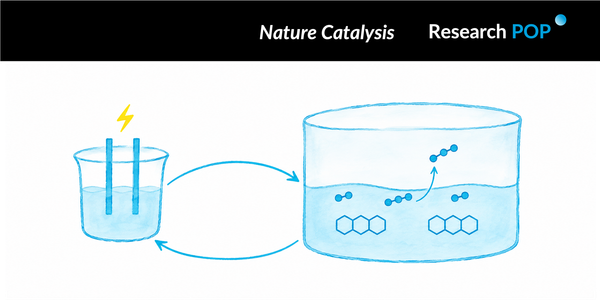
Harvard and Merck Researchers Repurpose Flow-Battery Molecules for Selective Organic Hydrogenation

Harvard and Merck Researchers Repurpose Flow-Battery Molecules for Selective Organic Hydrogenation

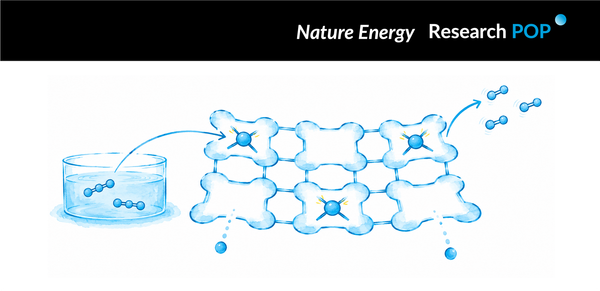
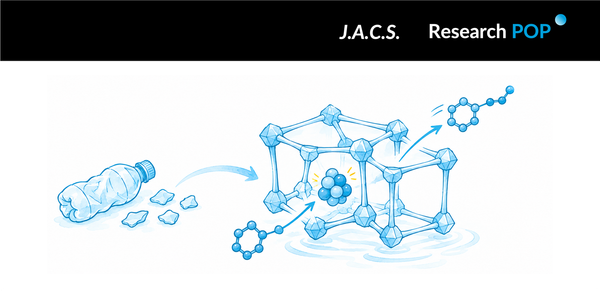
Aqueous phenazine catholytes mediate efficient hydrogenation at an aqueous–organic interface - Nature CatalysisMediated organic electrosynthesis can enable mild, chemoselective redox transformations, but progress is often limited by mediator stability and tunability. Now, phenazine redox mediators enable the hydrogenation of nitro compounds at an aqueous–organic interface under mild conditions and
By ResearchPOP
UCL’s Guanjie He Team Enables Four-Electron Iodine Conversion with Halogen-Free Aqueous Electrolytes

UCL’s Guanjie He Team Enables Four-Electron Iodine Conversion with Halogen-Free Aqueous Electrolytes

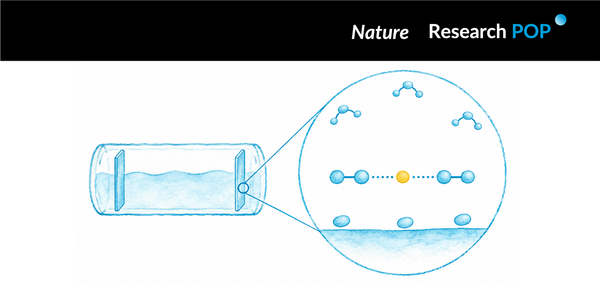
Non-halogen aqueous electrolytes for four-electron iodine conversion - NatureAn electrolyte framework that harnesses anionic chemistry to coordinate the interfacial microenvironment and molecular interactions enables reversible four-electron iodine conversion in halogen-free aqueous electrolytes, and is validated in metal–iodine batteries.Nature Publishing Group UKRuwei Chen At a glance

By ResearchPOP
EPFL’s Kevin Sivula Team Uses One Organic Semiconductor Blend for a Solar Water-Splitting Sheet

EPFL’s Kevin Sivula Team Uses One Organic Semiconductor Blend for a Solar Water-Splitting Sheet

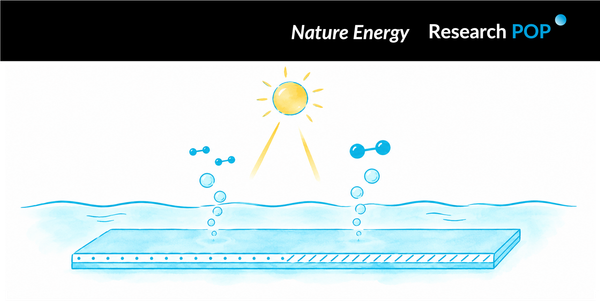
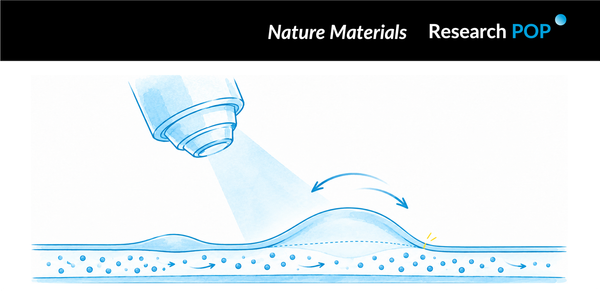
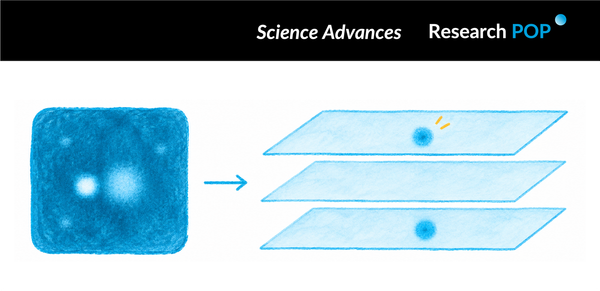
An organic semiconductor-based photocatalyst sheet for overall solar-driven water splitting - Nature EnergySolar water splitting offers a route to renewable hydrogen, but developing photocatalyst sheets from scalable, solution-processable materials remains a challenge. Here the authors use underlayer engineering to build an organic semiconductor photocatalyst sheet that enables unassisted

By ResearchPOP
Monash University Team Proposes a Framework for Assessing Mechanistic Evidence in Electrocatalysis

Monash University Team Proposes a Framework for Assessing Mechanistic Evidence in Electrocatalysis

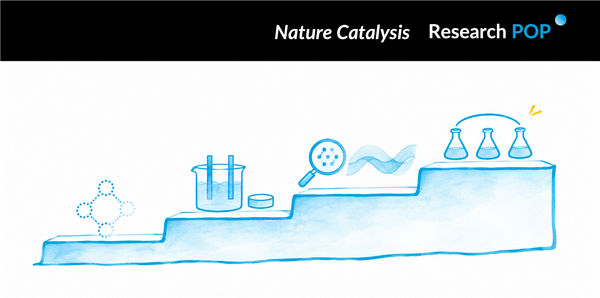
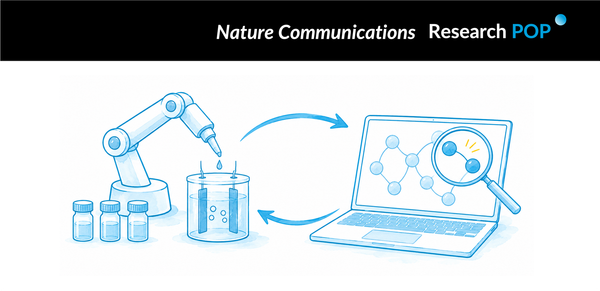
Benchmarking mechanistic credibility in electrocatalysis through data-driven evaluation - Nature CatalysisThe performance of electrocatalytic reactions has rapidly advanced in recent years, yet there remain numerous controversies in the underlying mechanistic understanding of these systems. This Perspective proposes a framework for rating the strength of evidence and cross-community validation of

By ResearchPOP
Fritz Haber Institute Team Separates Driving Force from Electric-Field Effects in Electrocatalysis

Fritz Haber Institute Team Separates Driving Force from Electric-Field Effects in Electrocatalysis

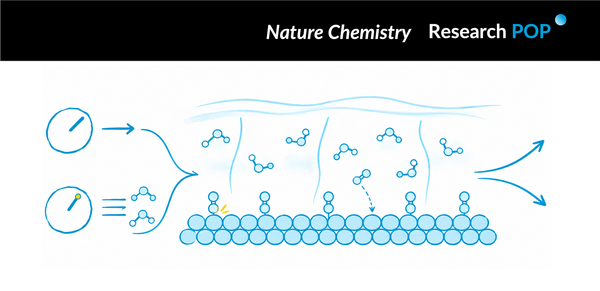
Disentanglement of interfacial electric fields and electrochemical potential gradients reveals a multidimensional kinetic landscape - Nature ChemistryElectrochemical kinetics are shaped by both the thermodynamic driving force and interfacial polarization. Now it has been shown that that activation energies decrease with increasing potential but increase with greater deviation of the potential from

By ResearchPOP
Dalian University of Technology Team Gives Zirconium Three Roles in a Modular Benzylamine Synthesis

Dalian University of Technology Team Gives Zirconium Three Roles in a Modular Benzylamine Synthesis

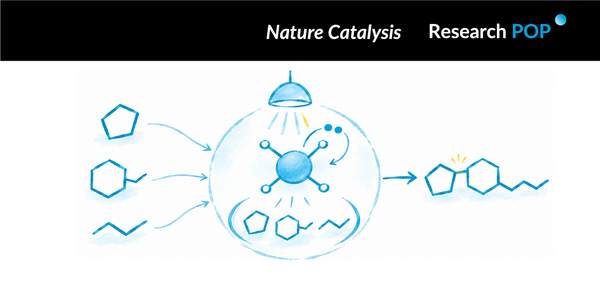
Trifunctional zirconium catalysis-enabled triple modular synthesis - Nature CatalysisZirconium catalysis has remained largely confined to Lewis acid and redox chemistry, with only isolated examples of photocatalytic C–H activation. Now trifunctional zirconium catalysis enables modular benzylamine synthesis from alkanes, aldehydes and nitriles by integrating photochemical, redox and Lewis acid reactivity.

By ResearchPOP
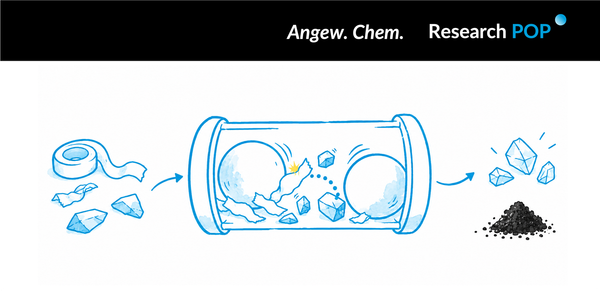
Zhejiang University Team Uses Red Mud to Convert Plastic into Hydrogen and Reinforcement for Construction Materials

Zhejiang University Team Uses Red Mud to Convert Plastic into Hydrogen and Reinforcement for Construction Materials

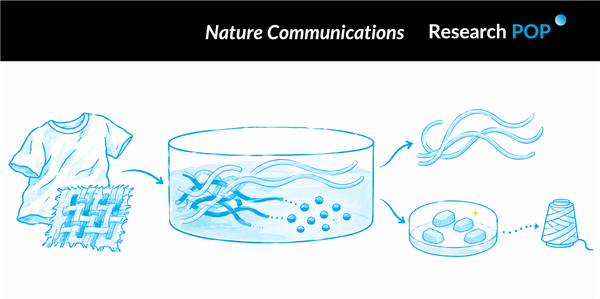
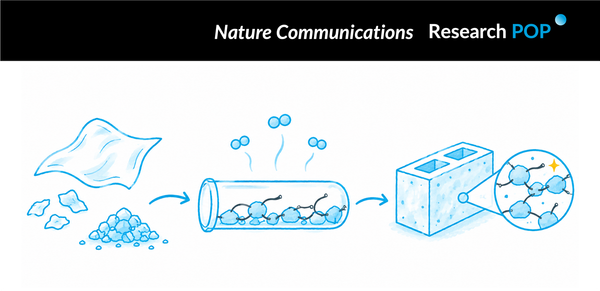
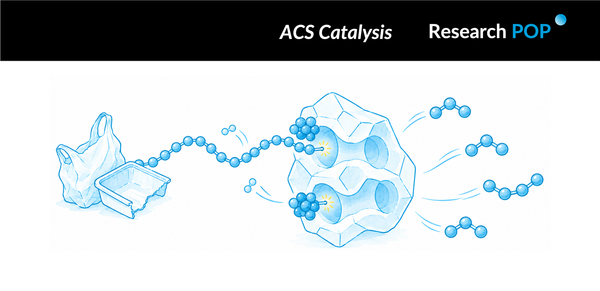
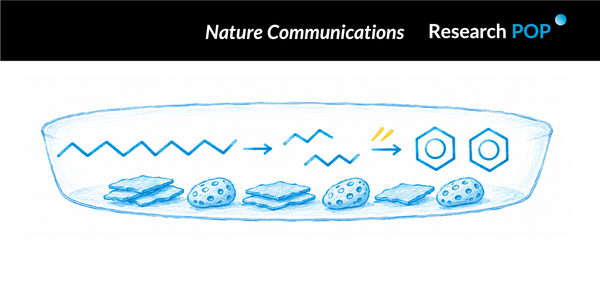
Toughening alkali-activated construction materials using nanocarbon composites from red mud-catalyzed plastic waste upcycling - Nature CommunicationsThis study converts red mud and plastic waste into nanocarbon composites that strengthen and toughen alkali-activated materials, offering a route to upcycle two major waste streams into low carbon construction materials.Nature Publishing

By ResearchPOP
University of Toronto and Partner Teams Develop a Self-Reinforcing Molecular Catalyst for Captured CO₂ Conversion

University of Toronto and Partner Teams Develop a Self-Reinforcing Molecular Catalyst for Captured CO₂ Conversion

Durable reactive CO2 capture exceeding 1,000 h via self-reinforcing molecular catalysts - Nature EnergyReactive CO2 capture integrates carbon capture and electrochemical conversion in a single process, but poor catalyst durability remains a major challenge. Here the authors show that pH-swing-driven acidification accelerates catalyst demetallation and develop a

By ResearchPOP